

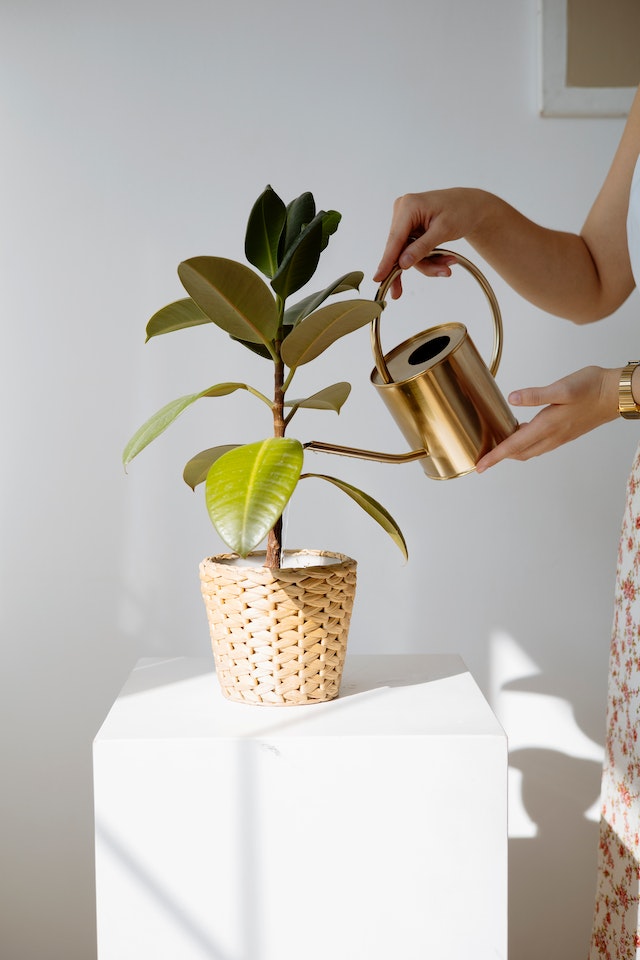
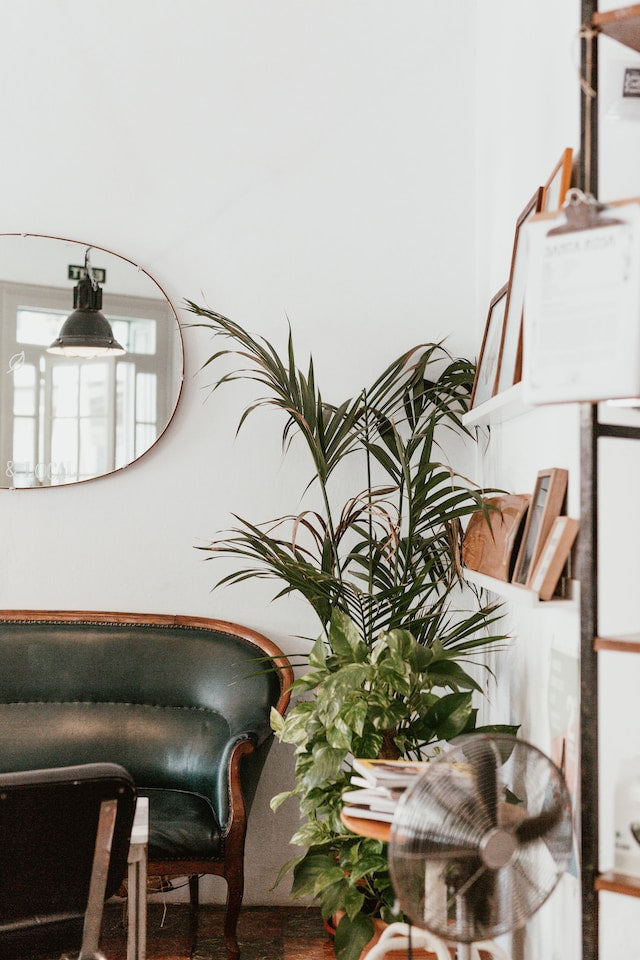
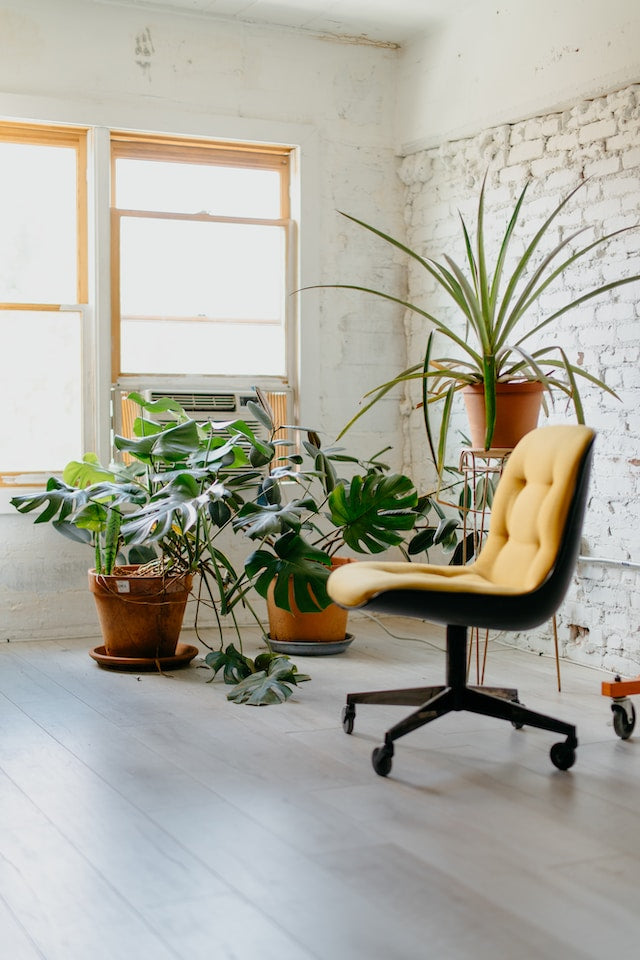
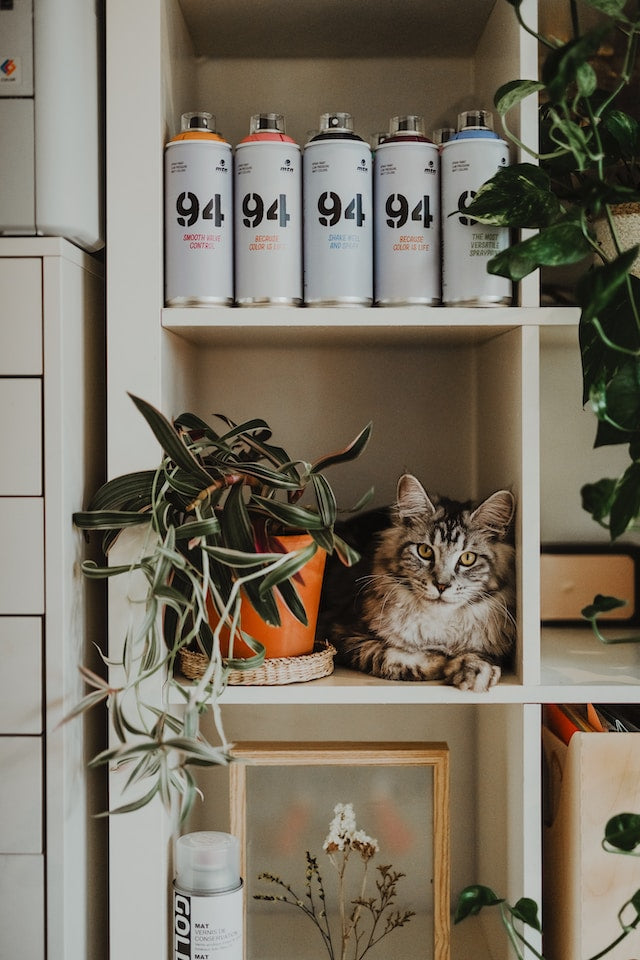
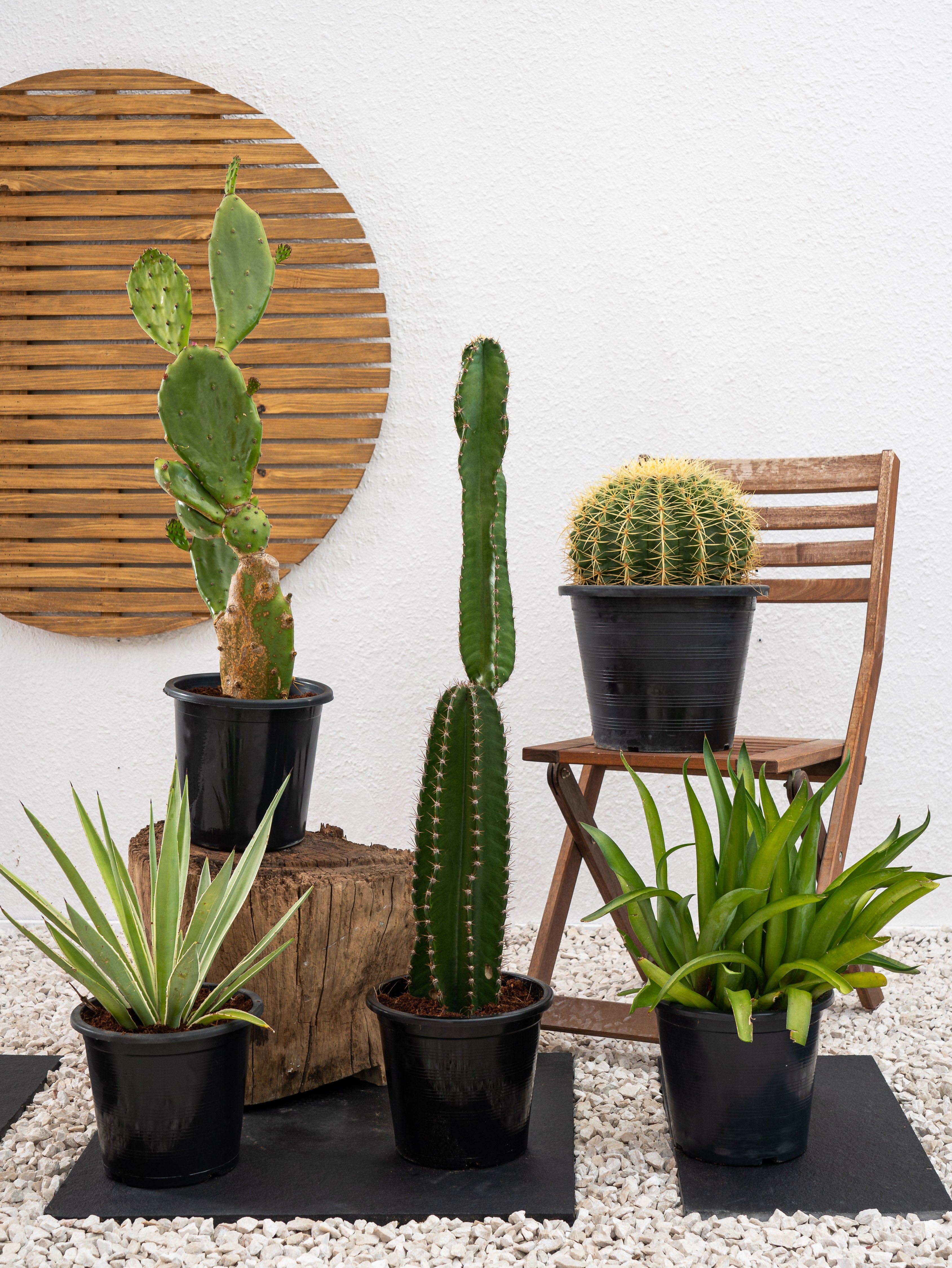
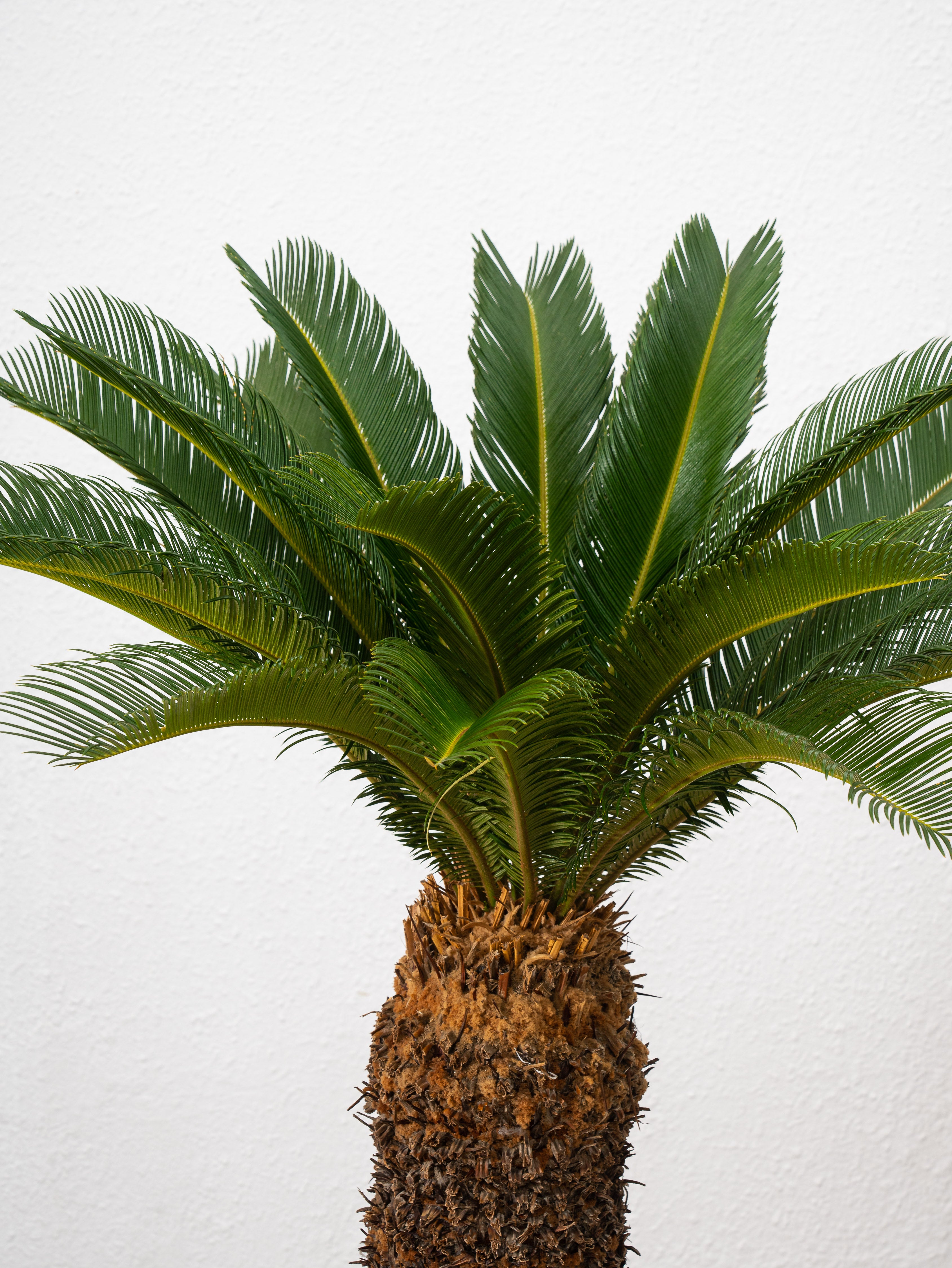
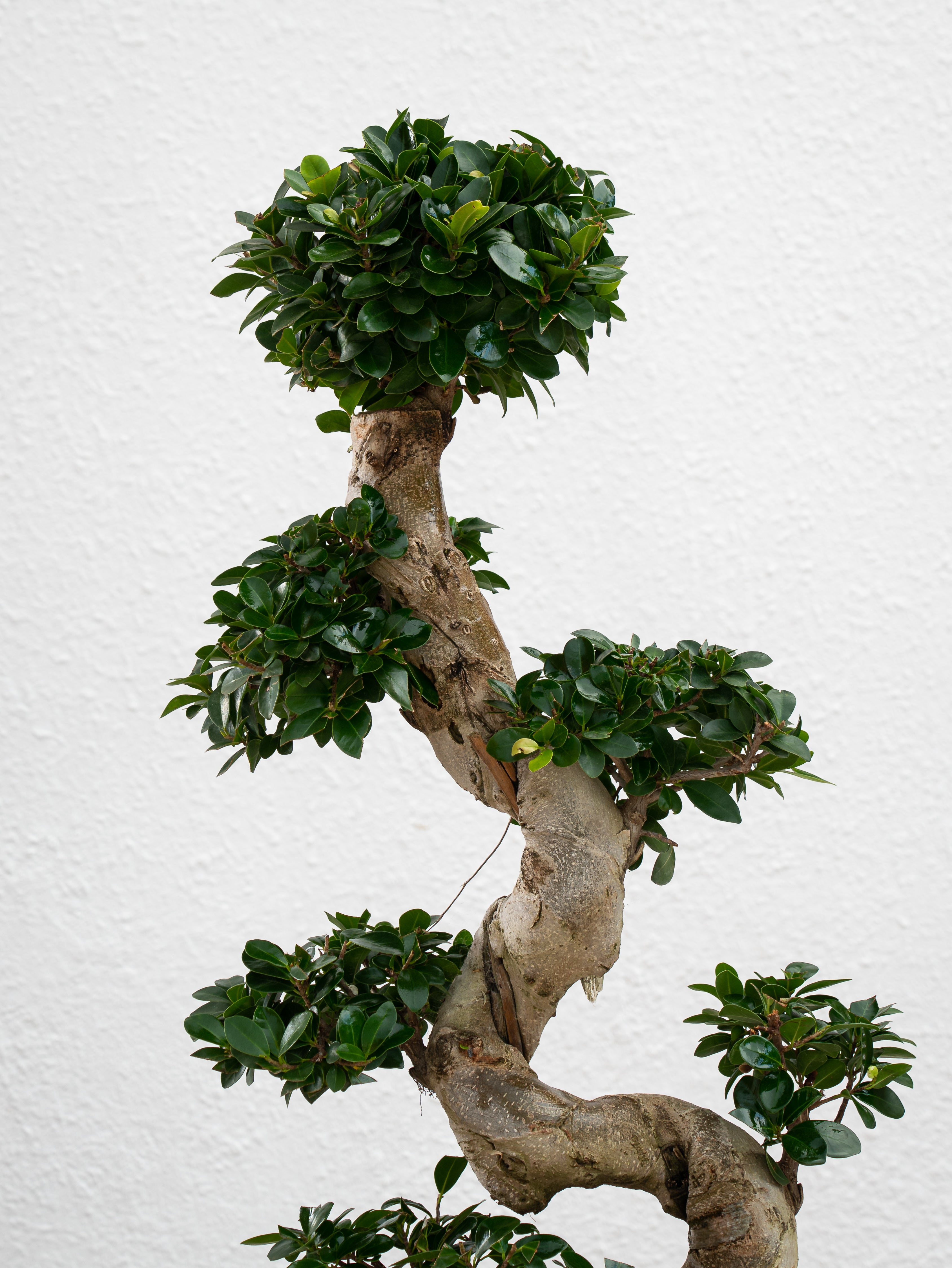
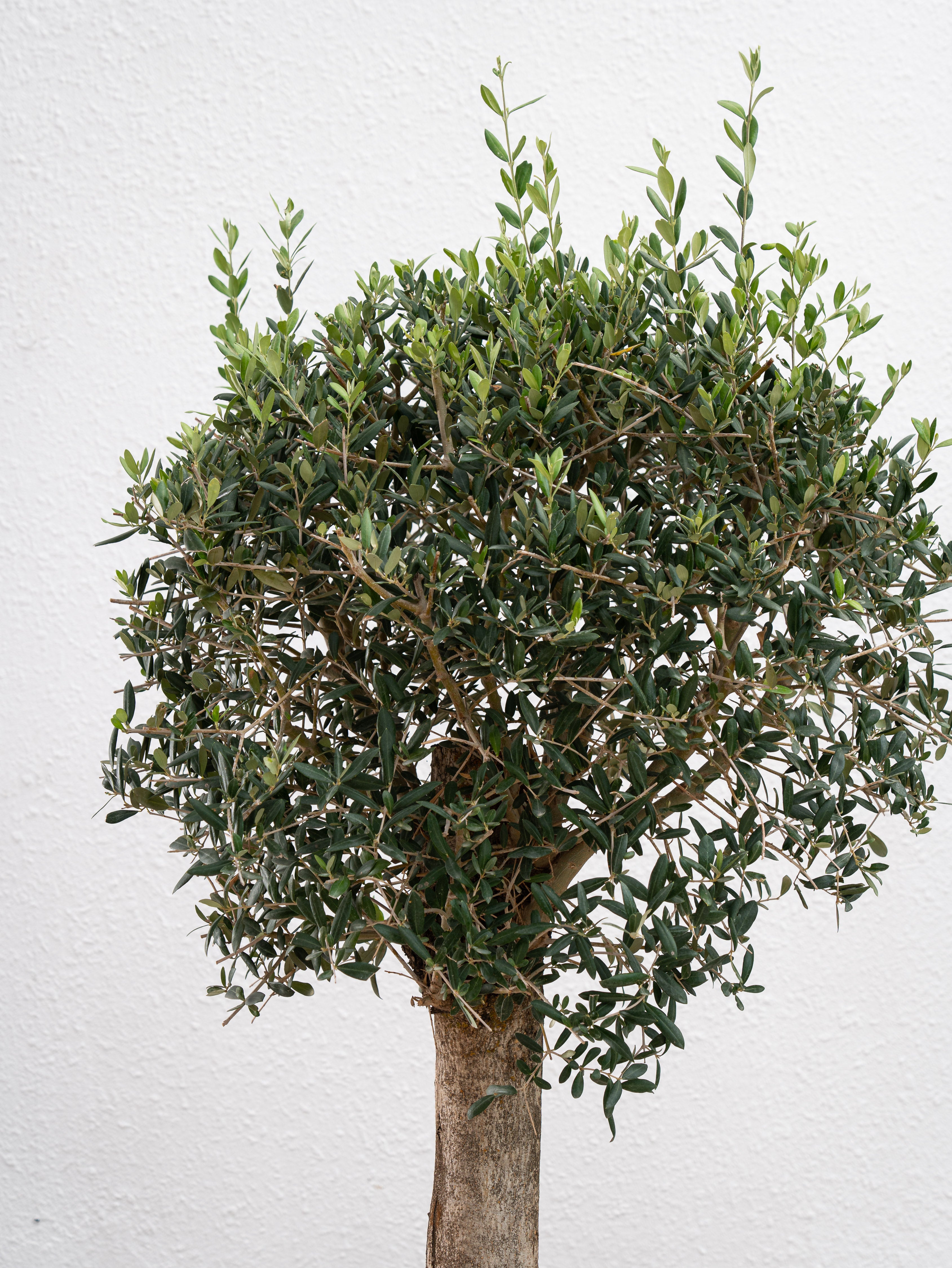
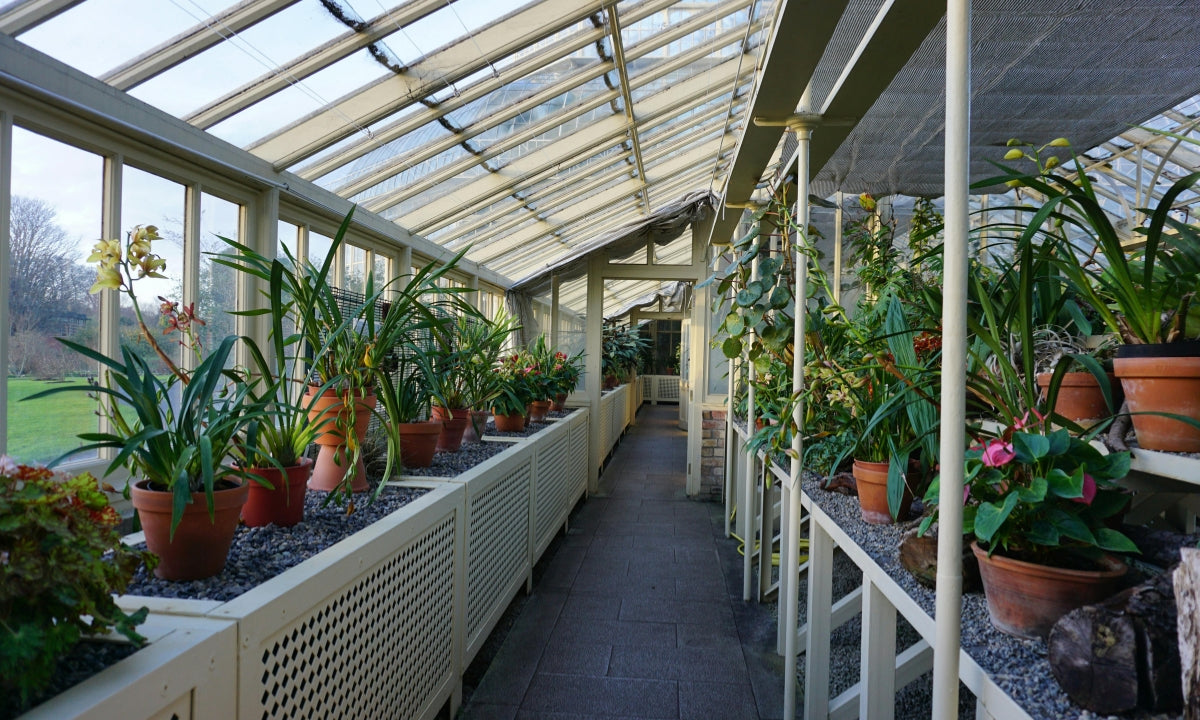
Rare indoor plants are experiencing a massive rise in popularity in 2026, becoming one of the most searched and collected categories in the indoor gardening world. From social media trends to modern interior design preferences, more people than ever are choosing rare foliage plants to decorate their homes, offices, and apartments.
But what is really driving this sudden demand? Why are people shifting from common houseplants to rare varieties like Alocasia, Calathea, Anthurium, and exotic variegated species?
In this article, we’ll explore the key reasons behind the rise of rare indoor plants and why they are becoming a major lifestyle trend in 2026.

1. Social Media Has Turned Rare Plants Into Lifestyle Symbols
One of the biggest reasons behind the popularity of rare indoor plants is social media exposure. Platforms like Instagram, Pinterest, and TikTok have transformed plants from simple décor items into aesthetic lifestyle symbols.
Rare plants with unique leaf patterns, colors, and shapes are highly photogenic. Variegated Monstera, pink Aglaonema, and Alocasia varieties often appear in home décor reels and aesthetic room setups.
This visual appeal has created a strong desire among users to replicate similar interiors at home. As a result, rare indoor plants are now seen as part of a modern lifestyle rather than just gardening.
2. Interior Design Trends Favor Unique Greenery
Modern interior design in 2026 focuses heavily on personalization and natural aesthetics. Minimalist homes, urban apartments, and luxury interiors all use indoor plants as focal points.
However, designers are no longer choosing basic plants. Instead, they prefer rare indoor plants that stand out visually.
Plants like Calathea Orbifolia, Philodendron Pink Princess, and Alocasia varieties are used as “statement pieces” in living rooms and offices. Their unique textures and colors enhance interior spaces in a way that standard plants cannot.
This shift in design preference has significantly increased demand for rare plant varieties.
3. People Want Unique and Collectible Plants
Another major factor driving popularity is the collector mindset.
Rare indoor plants are now viewed similarly to collectibles. Plant lovers enjoy hunting for unusual varieties, propagating them, and building personal plant collections.
Each rare plant has its own uniqueness—whether it’s variegation patterns, leaf shape, or color variation. This makes every plant feel special and different.
In 2026, plant collecting has become a growing hobby, especially among urban millennials and Gen Z audiences.
4. Indoor Living Has Increased Globally
With more people living in apartments, urban homes, and indoor-focused lifestyles, the demand for indoor plants has grown significantly.
Since outdoor gardening space is limited, people are investing more in indoor greenery. Rare indoor plants are preferred because they bring a premium, tropical feel to compact spaces.
Even small apartments now feature curated plant corners, vertical plant setups, and indoor plant shelves filled with rare species.
This lifestyle shift has played a major role in increasing plant popularity.
5. Rare Plants Improve Mental Wellbeing
Another important reason for the rise of indoor plants is their connection to mental health and wellness.
Studies and lifestyle trends suggest that indoor plants can:
- Reduce stress
- Improve mood
- Increase focus
- Create a calming environment
Rare indoor plants, in particular, offer a stronger emotional connection because they are visually unique and require attentive care.
Many plant owners describe caring for rare plants as a relaxing daily routine that helps reduce digital fatigue and anxiety.
6. Improved Availability Through Online Plant Stores
Earlier, rare indoor plants were difficult to find and often expensive due to limited availability.
In 2026, online plant stores, social media marketplaces, and plant communities have made rare plants much more accessible.
Now users can:
- Buy rare plants online
- Access plant care guides easily
- Join plant communities for support
- Trade and propagate plants
This increased accessibility has removed barriers and made rare plants more mainstream.
7. Plant Care Knowledge Is More Accessible Than Ever
Another reason for the rise in popularity is the availability of plant care information.
In the past, rare plants were considered difficult because people lacked proper guidance. Now, with blogs, YouTube channels, and social media guides, plant care knowledge is widely available.
People now understand:
- How to manage watering
- How to control humidity
- How to improve light conditions
- How to prevent root rot
This knowledge has given beginners the confidence to try rare indoor plants without fear.
8. Climate Awareness and Green Living Trends
Environmental awareness is also influencing plant trends.
People are becoming more conscious of:
- Air quality
- Sustainable living
- Natural home environments
Indoor plants are seen as part of a greener lifestyle. Rare plants, with their exotic appeal, add both beauty and a sense of connection to nature inside urban spaces.
This eco-friendly mindset is contributing to their growing demand.
9. Rare Plants Add Luxury Value to Homes
In 2026, rare indoor plants are also considered luxury décor items.
Just like art pieces or designer furniture, rare plants are used to elevate home interiors. Some plants with unique variegation or unusual colors are even considered premium collectibles.
Homeowners use them to:
- Enhance property aesthetics
- Create Instagram-worthy spaces
- Add natural luxury elements
This perception of rarity and exclusivity boosts their popularity further.
10. Easy Integration Into Modern Lifestyles
Unlike traditional gardening, rare indoor plants fit easily into modern routines.
They:
- Require minimal space
- Work well in indoor lighting
- Can survive in AC environments with care
- Adapt to apartment living
This convenience makes them suitable for busy professionals and urban dwellers.
Even beginners can maintain many rare plant varieties with basic care knowledge.
11. Plant Communities and Online Influence
Online plant communities have also played a major role in increasing interest.
Plant lovers share:
- Growth progress
- Rare plant finds
- Care tips
- Propagation results
This sense of community encourages more people to start collecting rare indoor plants and learn from others.
Influencers and plant enthusiasts have turned rare plant care into a global trend.
12. Future Outlook: Rare Plants Will Keep Growing in Demand
Looking ahead, the demand for rare indoor plants is expected to continue rising beyond 2026.
As urban living increases and people continue to focus on interior aesthetics and wellness, rare plants will remain a strong part of home design and lifestyle culture.
New hybrid varieties, better availability, and improved care knowledge will make them even more popular in the coming years.
Final Thoughts
The popularity of rare indoor plants in 2026 is not just a passing trend—it is the result of lifestyle changes, design evolution, social media influence, and increased awareness of indoor greenery.
From aesthetic appeal to mental wellbeing and home decoration, rare plants have become a meaningful part of modern living.
The key takeaway is simple:
Rare indoor plants are no longer just plants—they are a lifestyle choice.
As this trend continues, they will remain a central element in homes, offices, and interior spaces around the world.

Leave a comment
This site is protected by hCaptcha and the hCaptcha Privacy Policy and Terms of Service apply.