

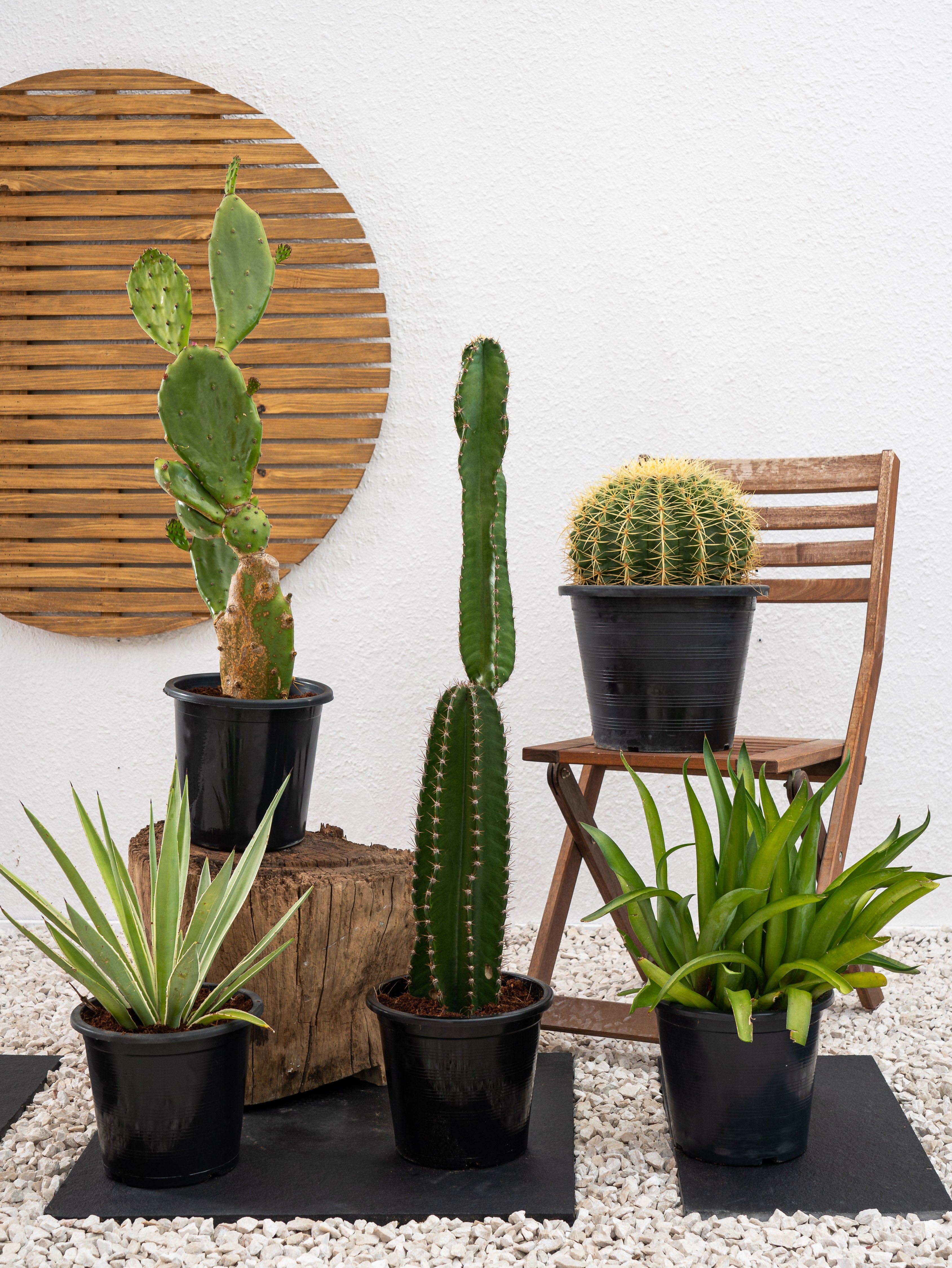
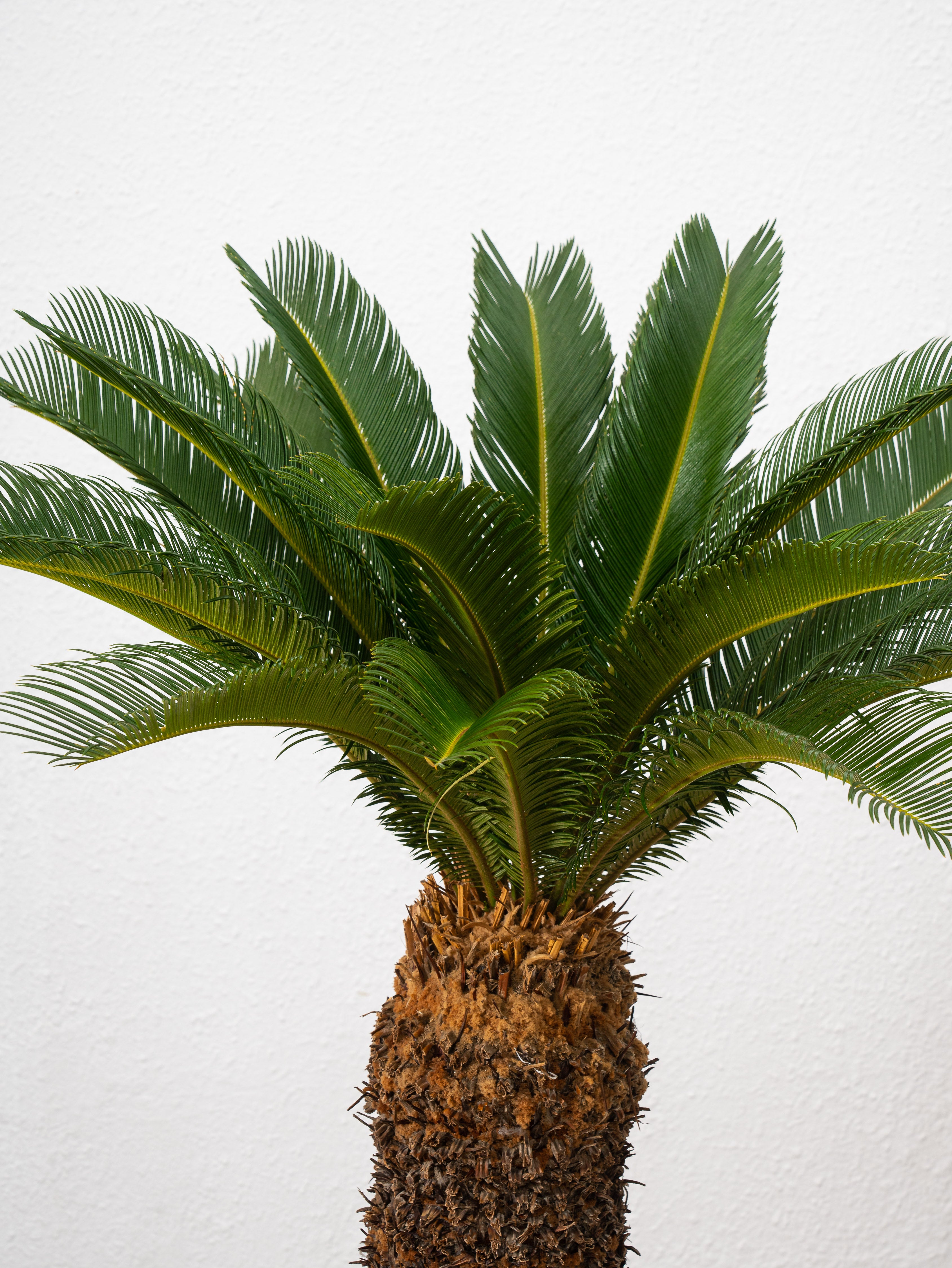
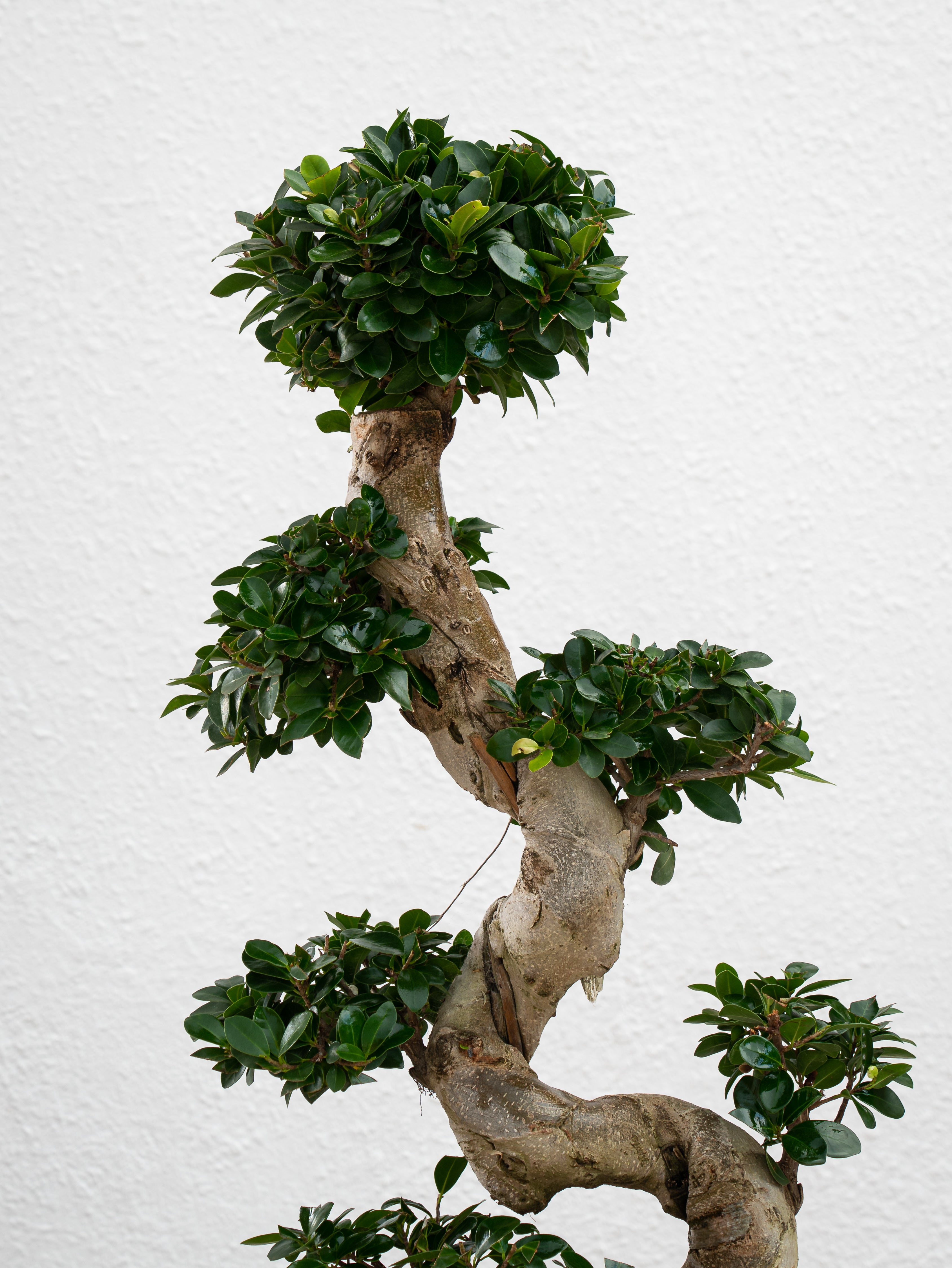
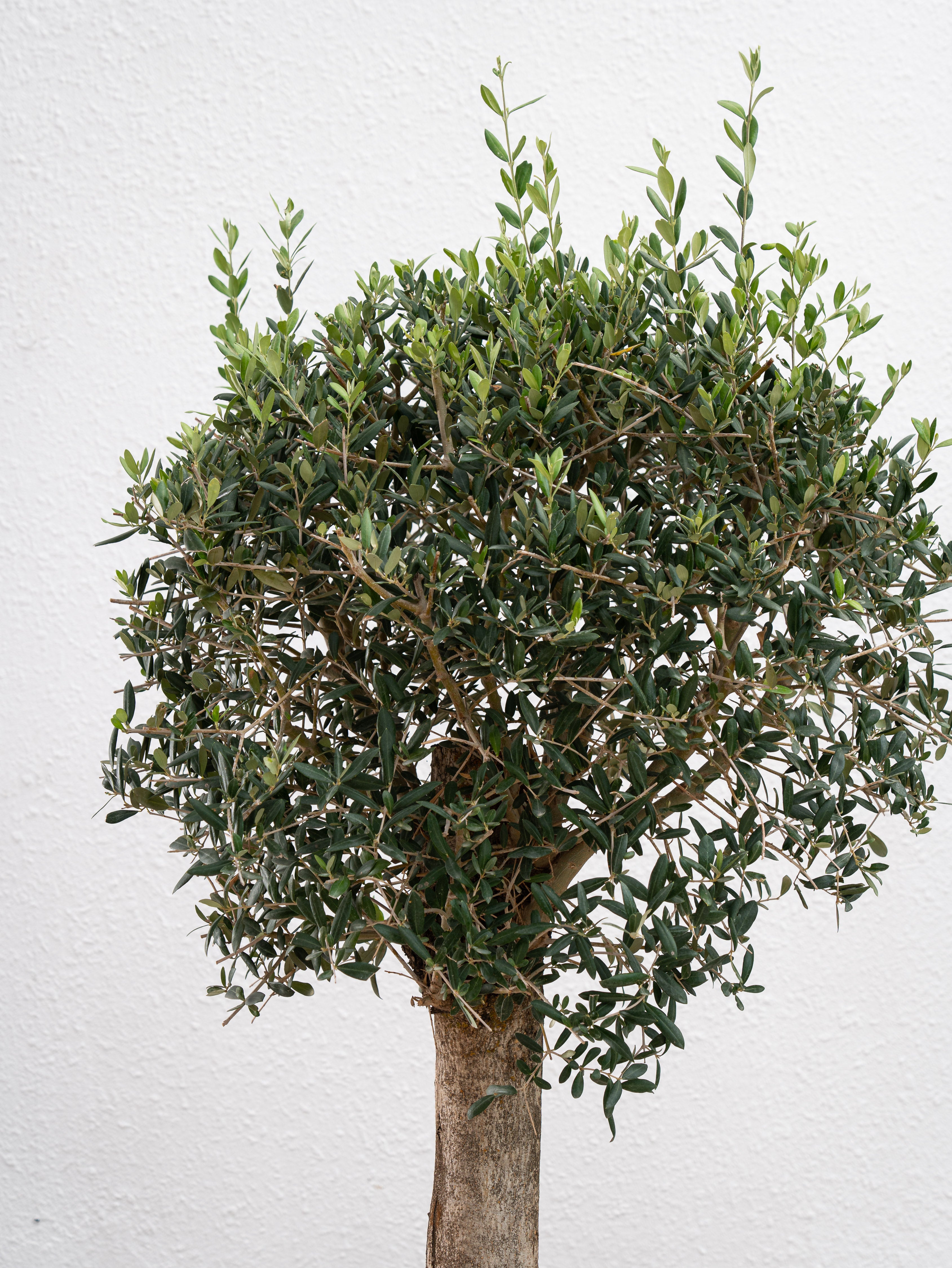
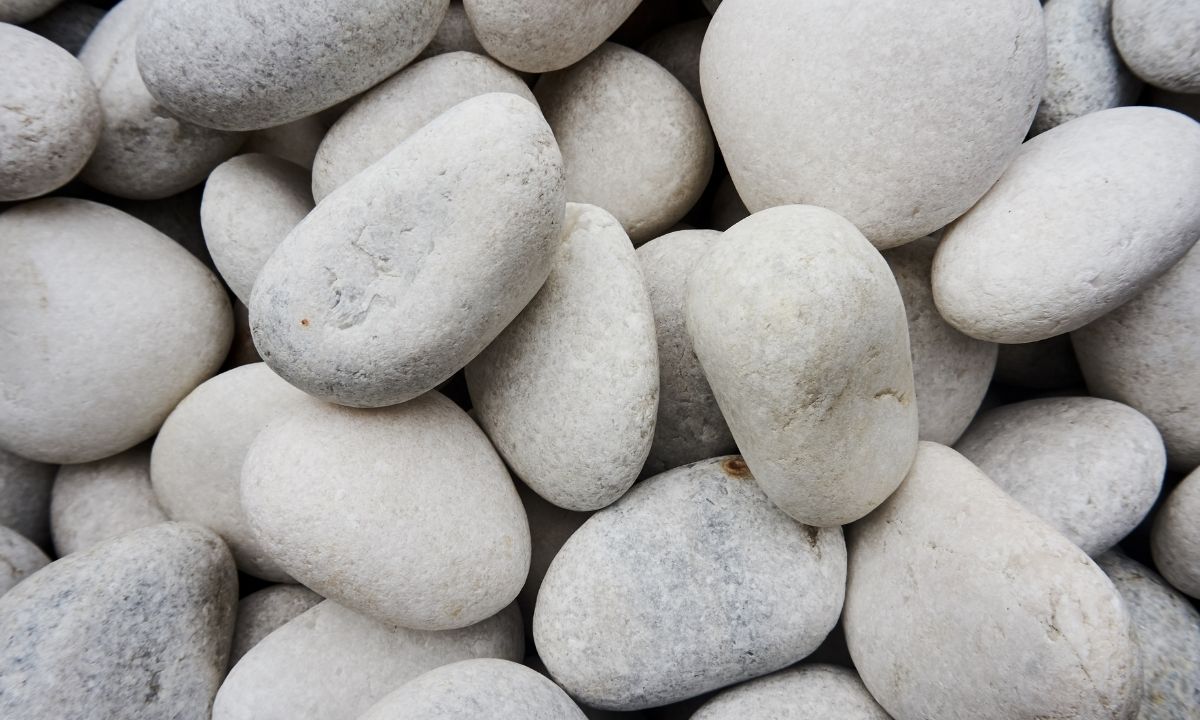
The short answer: Not in the way most people think — and in some cases, they can actually make drainage worse. This is one of the most widespread gardening myths in existence, and understanding the science behind it will make you a significantly better plant owner. Here is the full, honest story.

Where Did This Idea Come From?
The practice of placing a layer of gravel, pebbles, or stones at the bottom of a plant pot before adding soil has been passed down through generations of plant owners, gardening books, and well-meaning advice from friends and family. It sounds completely logical: water flows downward, coarse material allows faster water movement than soil, therefore a gravel layer at the bottom must help excess water escape more quickly.
The intuition is understandable. In nature, gravel and rocky substrates do indeed improve soil drainage — water filters down through loose stones and away from plant roots in open, natural environments. It seems reasonable to assume the same principle applies inside a sealed pot.
The problem is that a plant pot is not an open natural environment. It is a confined, sealed container — and inside that container, water behaves in a fundamentally different and counterintuitive way. The science that explains this behaviour has been well-documented for decades, yet the myth persists in gardening culture everywhere from casual conversation to printed plant care guides.
Understanding what actually happens when you add a pebble layer to the bottom of a pot will change how you think about plant care permanently — and save your plants from unnecessary stress in the process.
The Science: What Actually Happens Inside a Pot
The Perched Water Table
The key concept that explains why pebble drainage layers do not work is called the perched water table — and while the term sounds technical, the principle is straightforward.
Water in soil does not simply obey gravity and flow straight down. It is also held in place by capillary action — the same force that allows water to travel upward through a paper towel or a plant stem. Soil particles create tiny pores and channels between them, and capillary action holds water in those pores against the pull of gravity. Water only begins to move downward through soil when those pores are completely saturated — when there is simply no more space for water to be held.
In a pot with no drainage layer, water fills the soil pores from the top downward. The lowest portion of the pot — the bottom few centimetres — becomes a naturally waterlogged zone called the perched water table. This zone always exists to some degree in any container plant. The size of this waterlogged zone is determined by the physical properties of the soil — its particle size, texture, and pore structure.
Now here is what happens when you add a pebble layer at the bottom.
Why Pebbles Make Things Worse
When water in soil reaches the boundary between fine-particled soil above and coarse gravel or pebbles below, something unexpected happens: the water stops moving. It does not flow freely into the coarser material below. Instead, the capillary action that was holding it in the soil pores becomes even stronger at the boundary — the surface tension between the two different materials creates a barrier that water will not cross until the soil above is completely, fully saturated.
A useful way to visualise this is to imagine a wet sponge placed on a layer of clay pebbles or gravel. The water will not run out of the sponge simply because there is coarse material underneath. It only begins to drip once the sponge is fully saturated. growhub
The practical consequence for your pot plant is this: the perched water table — the waterlogged zone — does not disappear when you add pebbles. Instead, it shifts upward. The waterlogged zone now forms at the base of the soil layer, sitting directly above the pebble layer, rather than at the very bottom of the pot. The pebbles have not improved drainage at all. They have simply pushed the waterlogged area higher up — closer to the middle of the root zone.
In a pot without a pebble layer, the waterlogged zone sits at the very base of the pot, as far from the main root zone as possible. Add a thick pebble layer and you have moved that waterlogged zone directly into the heart of where the roots are growing. The drainage layer below does not help water escape more quickly — it can actually trap water and make the root zone wetter than it would otherwise be. growhub
What Commercial Nurseries Actually Do
Professional plant nurseries never add gravel or LECA at the bottom of their pots. Their containers are filled only with high-quality, well-draining potting mix. Proper drainage happens thanks to the soil quality and the drainage holes — not a pebble layer. growhub
This is perhaps the most compelling evidence of all. Commercial nurseries grow millions of plants in containers, care deeply about plant health, and have access to all the latest horticultural science. None of them use pebble drainage layers — because the evidence consistently shows they do not help.
When a Pebble Layer Can Cause Real Problems
Beyond simply being ineffective, a bottom pebble layer can actively cause problems in certain situations:
In pots without drainage holes: Without an exit for excess water, any water that makes its way down to the rocks will have nowhere to go. The water may stagnate at the bottom of the pot, creating a damp environment that is harmful to the plant's roots, leading to root rot or other moisture-related problems. growhub
In deep pots: The thicker the pebble layer, the higher the perched water table is pushed into the root zone. A 5cm pebble layer in a 20cm pot pushes the waterlogged zone a quarter of the way up the entire pot — directly into the active root area for most plants.
Over time with soil compaction: The soil above the pebble layer will eventually start to sift down into the crevices between rocks. Over time, the soil compacts and fills in the gaps between the rocks, creating a solid, almost cement-like layer that prevents water from moving freely. growhub
Wasted root space: Every centimetre occupied by pebbles at the bottom of a pot is a centimetre of root space that has been removed. Roots need room to spread and grow — reducing that space for a drainage benefit that does not actually occur is a poor trade.
So What Does Actually Improve Drainage?
The good news is that genuinely effective drainage solutions are simpler, cheaper, and more reliable than a pebble layer. Here is what actually works:
1. Always Use a Pot With Drainage Holes
This is the single most important factor in pot drainage — non-negotiable for almost every houseplant. Without drainage holes, excess water has nowhere to go regardless of what is inside the pot. Every plant pot you use for indoor plants should have at least one drainage hole at the base.
If you love a decorative pot that has no drainage hole, the best solution is to plant in a plastic nursery pot with drainage holes that fits inside the decorative outer pot — remove the plant for watering and allow it to drain fully before returning it to the decorative container.
2. Use the Right Potting Mix
Soil quality is far more important for drainage than any layer of pebbles. A well-draining potting mix that includes perlite, coarse sand, or bark creates the small, consistent air pockets that allow water to move freely through the root zone. For drainage-sensitive plants like succulents, cacti, and snake plants, a dedicated succulent or cactus potting mix is significantly better than standard potting soil — which retains too much moisture for these plants' needs.
3. Choose the Right Pot Size
An oversized pot holds far more soil than the plant's root system can use. All that extra soil stays wet long after the plant has absorbed what it needs, keeping the root zone damp for extended periods and creating conditions for root rot. Choose a pot that is only 2–3cm wider than the plant's current root ball — snug pots dry out more evenly and efficiently.
4. Use Terracotta Pots in UAE Conditions
In the UAE's air-conditioned indoor environments, terracotta pots offer a significant drainage advantage over ceramic, plastic, or glass containers. Terracotta is porous — it allows water and air to pass through the pot walls, actively wicking excess moisture away from the root zone and accelerating soil drying between waterings. For plants that are prone to overwatering issues in UAE homes, switching to terracotta is one of the most effective single changes you can make.
5. Water Correctly — Not on a Schedule
The most common cause of drainage problems is not the absence of a pebble layer — it is watering too frequently. Always check soil moisture before watering by pushing your finger 2 inches into the soil. If there is any moisture at all, wait. The natural wet-dry cycle that plants experience in their native environments is what their roots are adapted to — consistent dampness is far more harmful than occasional dryness.
What Pebbles Are Actually Genuinely Good For
While the drainage layer myth does not hold up, pebbles have several well-proven and genuinely effective uses for indoor plants — particularly in the UAE context:
Top Dressing — Absolutely Effective
Placing pebbles on top of the soil — rather than underneath it — delivers real, measurable benefits. A top dressing layer of pebbles reduces soil splash when watering, slows surface evaporation slightly, prevents soil compaction from repeated watering, and most importantly — deters fungus gnats by covering the moist topsoil where they lay their eggs. This is one of the most effective, natural, and affordable ways to control the fungus gnat problem that plagues UAE indoor plant owners.
Best products for top dressing:
- White Pebbles 20KG — AED 29 — clean, bright finish for modern interiors
- Black Pebbles 20KG — from AED 50 — dramatic contrast against green foliage
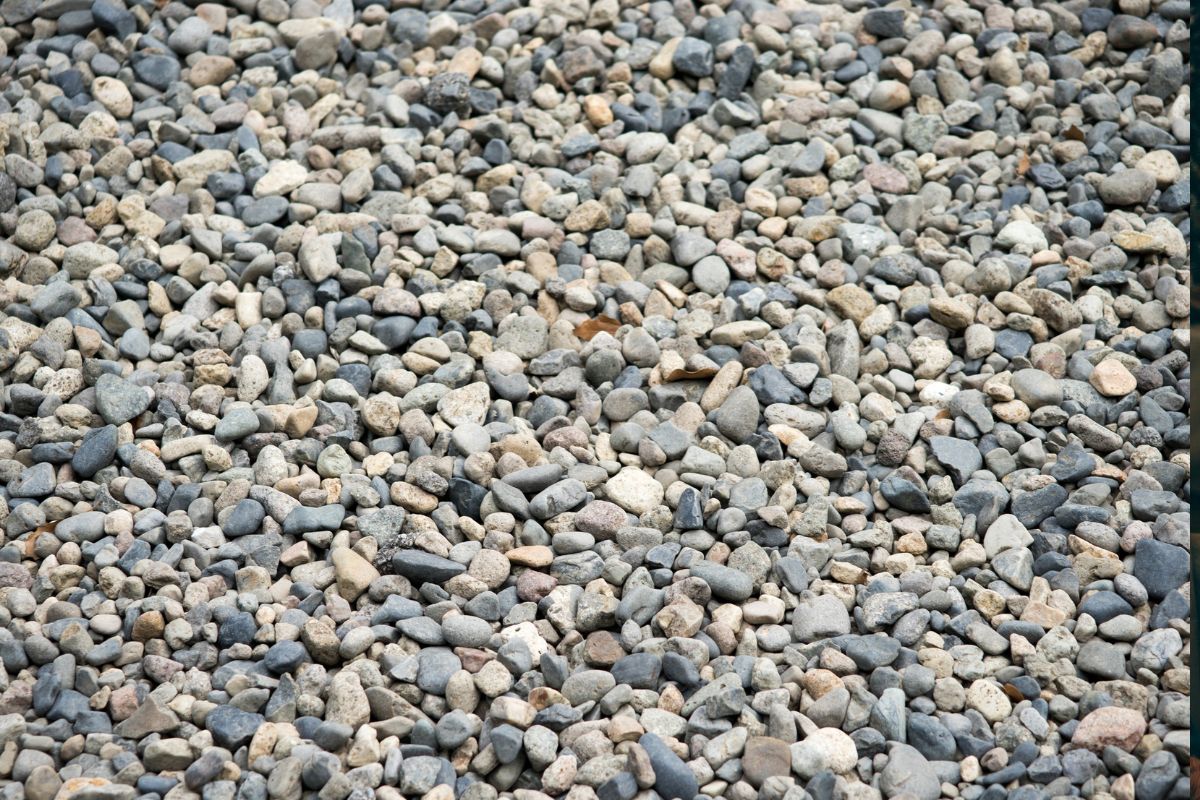
- River Rock Mixed Pebbles 20KG — AED 40 — natural, organic look
- Tiger Striped Pebbles 20KG — AED 55 — unique statement finish
Humidity Trays — Genuinely Effective
A shallow tray filled with pebbles and water — with the plant pot resting on top, elevated above the water line — creates a zone of higher localised humidity through evaporation. This is one of the most valuable uses of pebbles for UAE indoor plant owners, where air conditioning routinely drops indoor humidity to levels that stress tropical houseplants. A pebble humidity tray costs almost nothing, requires only weekly water refills, and makes a measurable difference to plants that prefer 50–70% humidity.
Best products for humidity trays:
- Grey Pebbles 20KG — neutral, suits any décor
- Brown Pebbles 20KG — AED 55 — warm, natural look
- Marble Pebbles 20KG — AED 80 — luxury finish for premium displays
The One Stone Over the Drainage Hole — Actually Useful
Most people will place a single stone or pebble over drainage holes in pots — especially the large central ones at the base of terracotta pots — to prevent the potting mix from falling out and making a mess. The point is not to block the hole, but to simply create a loose-fitting barrier to prevent the loss of growing medium while still allowing water to freely drain out. This single stone technique is legitimate and useful — it is the full drainage layer that does not work. growhub
LECA as a Complete Growing Medium — Very Effective
Hydro Stones (LECA clay pebbles) are a completely different proposition from decorative stone pebbles. Used as a complete replacement for soil in semi-hydroponic setups, LECA provides excellent root aeration, eliminates overwatering risk almost entirely, and dramatically reduces fungus gnat problems. This is not about layering pebbles under soil — it is about replacing soil altogether with a superior growing medium for plants that suit this style of growing.
The Verdict: What Should You Do Instead?
Here is a clear, practical summary of what to do — and what to skip — for every pot drainage situation:
| Situation | What To Do |
|---|---|
| Want better drainage | Use well-draining potting mix + pot with drainage holes |
| Worried about soil falling out of drainage hole | Place one single pebble loosely over the hole |
| Want to add pebbles to the pot | Use them as a top dressing on the soil surface |
| Have a decorative pot with no drainage hole | Use a plastic nursery pot inside — remove to water and drain |
| Plants keep getting overwatered | Switch to terracotta pot + reduce watering frequency |
| Want to grow in pebbles completely | Use LECA hydro stones as a full growing medium |
| Pot seems to drain too slowly | Check soil type — replace with perlite-enriched mix |
Frequently Asked Questions
Q: I have been using pebble drainage layers for years and my plants are fine. Does that mean it works? Your plants are doing well because of the other things you are doing correctly — the right light, appropriate watering frequency, good soil, and adequate drainage holes. The pebble layer is not helping, but it may not be causing significant harm either if your pot is large enough and you are not overwatering. The issue becomes more pronounced in smaller pots, plants sensitive to overwatering, and when the pebble layer is thick.
Q: What about putting pebbles under pots on a surface to aid drainage? This is completely different and genuinely useful. Placing pebbles or feet under a pot elevates it off a surface, allowing water to drain freely from the drainage holes without the pot sitting in a puddle. This is excellent practice — particularly on flat surfaces like windowsills, tables, and balcony floors. This is entirely different from placing pebbles inside the pot.
Q: I read that LECA at the bottom of a pot helps drainage. Is that different from regular pebbles? LECA (Lightweight Expanded Clay Aggregate) — sold as Hydro Stones at GrowHub — has lower capillary action than regular soil, which means it does allow slightly more water to drain at the boundary compared to regular stone pebbles. However, the perched water table effect still applies to some degree. The best use of LECA remains as a complete growing medium, not as a thin layer beneath regular potting mix.
Q: What if my plant has been sitting in a pebble-layered pot for years — should I repot it? If the plant is healthy and showing no signs of root rot or overwatering stress, there is no urgent need to repot. When you do repot — which is recommended every 1–2 years for most houseplants — simply fill the new pot with fresh potting mix without the pebble layer. The plant will not miss it.
Q: Are there any plants that do benefit from a pebble layer at the bottom? In very deep pots — particularly those over 40cm deep — a thin layer of coarser material at the base can marginally reduce the volume of waterlogged soil at the bottom. This is most relevant for large statement plants in very tall floor pots. But even here, the correct soil mix and adequate drainage holes provide more benefit with less risk. For standard-sized houseplant pots, no plant specifically benefits from a bottom pebble layer.
Final Thoughts
The pebble drainage layer is one of gardening's most enduring myths — passed down in good faith by generations of plant owners who believed it made sense. And it does sound sensible — until you understand what water actually does inside a sealed container.
The science is clear: a layer of pebbles at the bottom of a pot does not improve drainage, does not prevent root rot, and in many cases raises the waterlogged zone closer to the roots rather than further away. The plants that are thriving despite this practice are succeeding because of everything else their owners are doing right.
The genuinely good news is that pebbles remain one of the most useful and versatile accessories for indoor plant care — just used on top of the soil rather than underneath it. A top dressing of beautiful pebbles deters pests, reduces evaporation, prevents soil splash, and makes every plant pot look professionally finished. A pebble humidity tray actively improves the growing environment for tropical plants in UAE homes. These are uses where pebbles genuinely earn their place.
🪨 Browse GrowHub's full Gravel and Pebbles collection — white, black, grey, brown, river rock, marble, tiger striped, and LECA hydro stones. Available in 20KG bags with free delivery on orders over AED 199 across Dubai, Abu Dhabi, and the UAE.

Leave a comment
This site is protected by hCaptcha and the hCaptcha Privacy Policy and Terms of Service apply.