



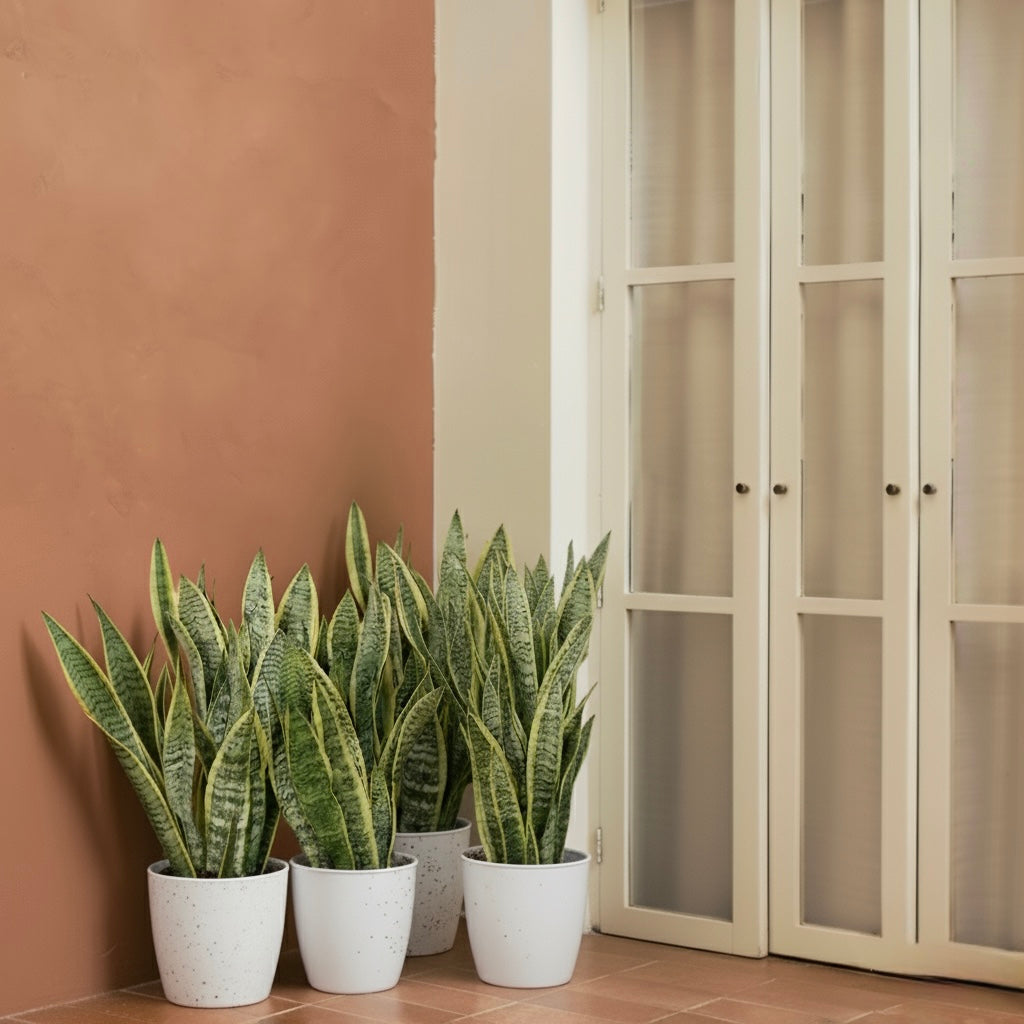
In the rapidly evolving world of indoor plants, few species have maintained such a steadfast reputation as the Sansevieria, commonly known as the Snake Plant (or "Mother-in-Law’s Tongue"). For decades, it has been marketed as a miracle worker—a botanical vacuum cleaner capable of scrubbing toxins from our homes while we sleep.
But as we navigate the indoor living trends of 2026, the conversation has shifted. With the rise of advanced HEPA filtration and a deeper scientific understanding of "VOC" (Volatile Organic Compound) exchange, many homeowners are asking: Do Snake Plants really work as air purifiers, or is it just clever marketing?
To answer this, we have to look past the aesthetic appeal and dive into the biological reality of modern biophilic design.

1. The NASA Legacy: Where the Myth Began
To understand the Snake Plant's reputation, we must go back to the 1989 NASA Clean Air Study. This study is the foundation of almost every "Top 10 Air Purifying Plants" list found on the internet today. NASA researchers found that certain indoor plants, including the Snake Plant, could remove chemicals like benzene, formaldehyde, and trichloroethylene from the air in a controlled, airtight environment.
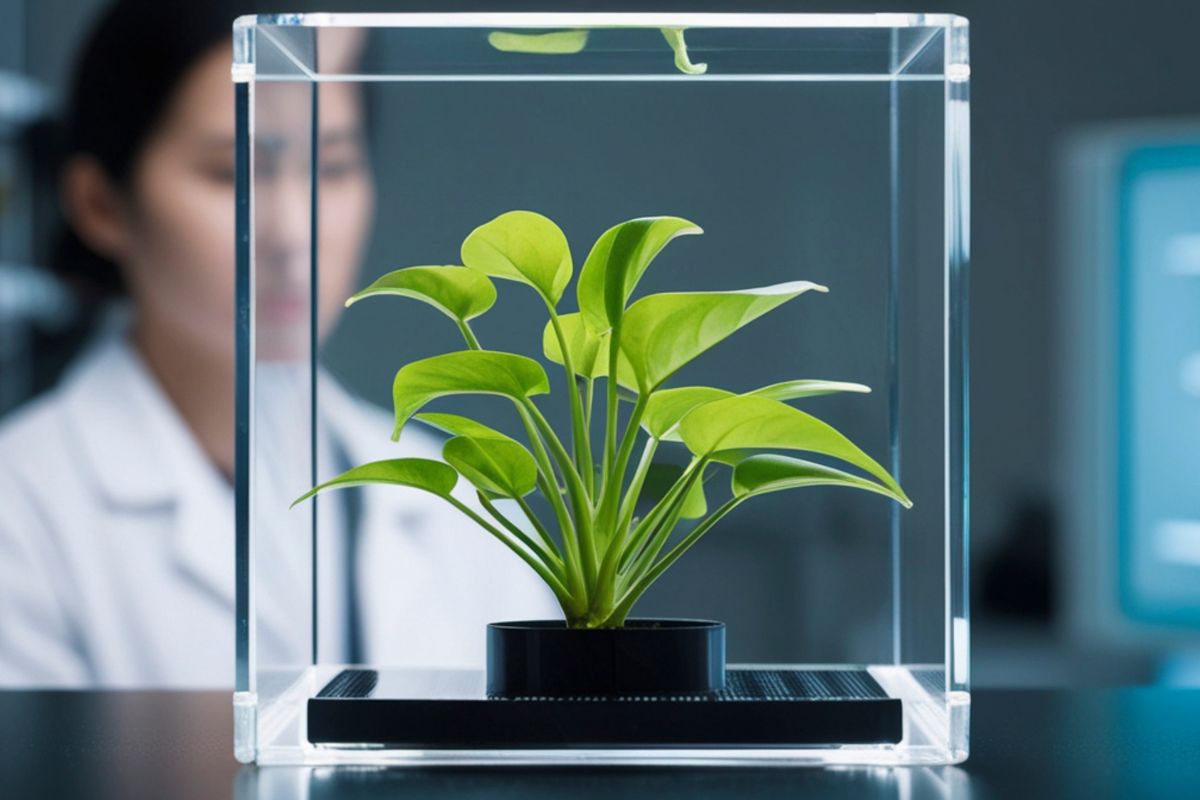
However, 2026 science offers a necessary reality check. Your home is not a sealed space station. In a typical Ormond Beach home or a modern Dubai apartment, air exchange happens constantly through doors, windows, and ventilation systems. While the Snake Plant does absorb toxins, the rate at which it does so in a large, drafty room is significantly lower than it was in NASA's small, sealed plexiglass chambers.
2. The Crassulacean Acid Metabolism (CAM) Advantage
While the "scrubbing" of toxins might be slower than once thought, the Snake Plant holds a unique biological trump card that most other indoor plants lack: CAM Photosynthesis.
Most plants take in carbon dioxide and release oxygen during the day while the sun is out. At night, they actually flip the script, consuming a tiny bit of oxygen and releasing $CO_2$. Snake Plants (along with some succulents and orchids) do the opposite. They open their stomata at night to take in $CO_2$ and release oxygen.
This makes them the ultimate "Bedroom Plant." In 2026, sleep hygiene is a massive wellness trend. By placing a cluster of Snake Plants in your sleeping quarters, you are slightly increasing the oxygen levels in your immediate vicinity during the hours you need it most.
3. Dealing with 2026 Toxins: Formaldehyde and Modern Life
Our homes in 2026 are filled with synthetic materials—engineered wood furniture, new carpets, and "fast furniture" from e-commerce giants. These items "off-gas" formaldehyde and benzene.
The Snake Plant is particularly effective at targeting formaldehyde. Its long, sword-like leaves have a large surface area covered in microscopic pores. These pores don't just "breathe"; they act as a gateway for pollutants. Once the plant absorbs these toxins, it moves them down to the root zone, where soil microbes break them down into plant food.
Fact: While a single plant won't replace a $500 air purifier, research suggests you need approximately one large plant for every 100 square feet of living space to see a measurable dip in indoor VOC levels.
4. The Rise of New 2026 Cultivars: More Surface Area, More Power
In 2026, we’ve seen a shift away from the basic Sansevieria trifasciata. Collectors and wellness-seekers are now looking for cultivars designed for maximum efficiency.
- 'Pagoda Tower': This variety grows in a dense, stacked rosette. The increased number of leaves means more pores and, theoretically, more air-processing power in a smaller footprint.
- 'Whale Fin' (Sansevieria masoniana): Known for its singular, massive leaf, this plant is a sculptural statement that offers a huge surface area for gas exchange.
-
'Zeylanica': The classic "workhorse." Its tall, sturdy leaves are perfect for creating "green screens" that act as a biological barrier between living zones and kitchens (where gas stoves may release nitrogen dioxide).
5. Maintenance: Why a Dirty Plant Can't Purify Air
One of the biggest mistakes owners of indoor plants make is neglecting the "filters"—the leaves. In a dusty environment, a layer of grime builds up on the Snake Plant's surface. This dust clogs the stomata, essentially "suffocating" the plant and rendering its air-purifying capabilities useless.
To ensure your Snake Plant is actually working:
- Wipe the leaves: Once every two weeks, use a damp microfiber cloth to remove dust.
- Avoid leaf shine: Never use commercial "leaf shine" waxes. These are oil-based and will permanently block the plant's ability to exchange gases.
- Optimize light: While they are sold as "low light" plants, Snake Plants process toxins faster when they have enough light to power their metabolic processes.
6. The Psychological "Air Purifier" Effect
In 2026, we recognize that "air quality" isn't just about molecules; it's about perception and mental health. This is known as the Biophilia Effect.
Living in a space with lush, green indoor plants like the Snake Plant has been clinically proven to lower heart rates and reduce stress. When we see healthy greenery, our brains subconsciously perceive the environment as "safe" and "clean." Even if the chemical change in the air is incremental, the reduction in mental "smog" and cortisol is profound.
Snake Plant vs. HEPA Purifiers: The 2026 Verdict
|
Feature |
Snake Plant |
HEPA Air Purifier |
|
CO2 to Oxygen |
Yes (at night) |
No |
|
VOC Removal |
Moderate (Slow) |
High (Fast) |
|
Noise Level |
Silent |
Fan Noise |
|
Aesthetic |
High (Living Art) |
Low (Utility Box) |
|
Maintenance |
Monthly Watering |
Filter Changes |
Conclusion: Should You Buy One?
So, do Snake Plants really work in 2026? The answer is a nuanced yes. They are not a "set-it-and-forget-it" solution for a smoke-filled room or a house with severe mold issues. However, as part of a layered indoor air strategy, they are indispensable. By combining a mechanical air purifier with a diverse collection of indoor plants—led by the hardy, night-breathing Snake Plant—you create a resilient ecosystem.
The Snake Plant remains the champion of the "negligent gardener." It asks for almost nothing—rare watering, varied light, and the occasional dusting—and in return, it quietly works to balance your $CO_2$ levels and add a touch of architectural elegance to your home.
In 2026, the best "smart home" is still the one that integrates the ancient, proven technology of nature.

Leave a comment
This site is protected by hCaptcha and the hCaptcha Privacy Policy and Terms of Service apply.