

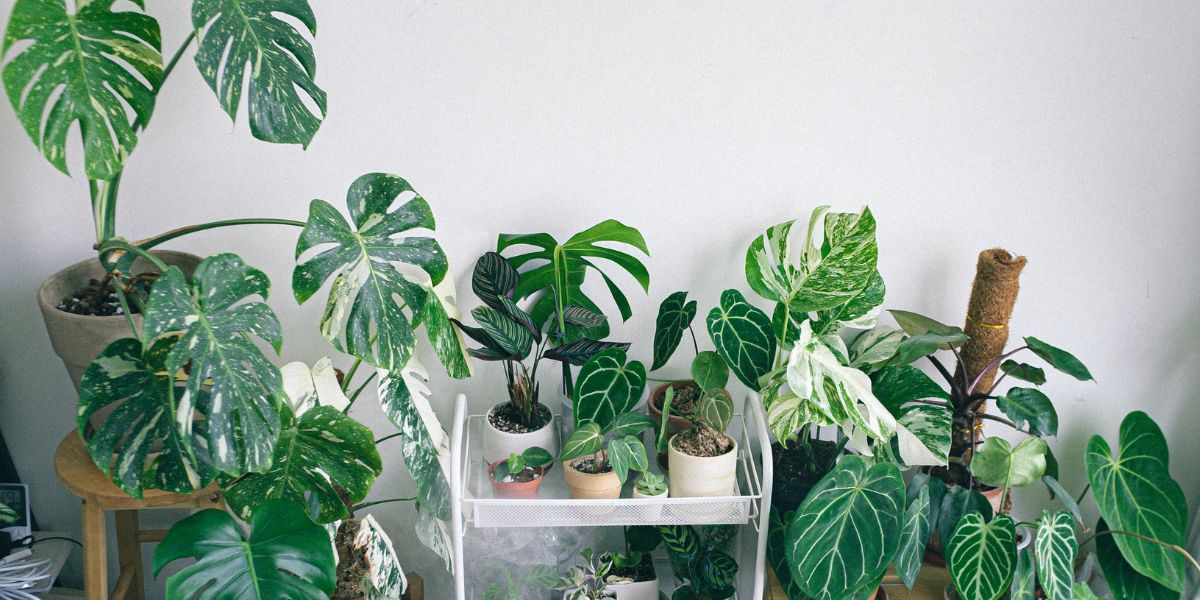
In today's fast-paced, screen-dominated world, stress has become an almost unavoidable part of daily life. Whether it's work pressure, digital overload, or the constant hum of urban living, millions of people are searching for simple, natural ways to find calm. One surprisingly powerful solution may already be sitting on your windowsill — your houseplants. Science is increasingly confirming what many plant lovers have always instinctively known: greenery genuinely makes us feel better. This article explores the deep connection between indoor plants and mental health, and why surrounding yourself with a little nature indoors could be one of the best wellness decisions you make.

The Science Behind Plants and Stress Relief
The relationship between humans and nature is ancient and deeply wired into our biology. According to the biophilia hypothesis, humans have an innate psychological need to connect with the natural world. When that need is met — even partially, through a few potted plants on a shelf — it reduces mental fatigue, enhances mood, and creates a sense of comfort that is hard to replicate through any other means.
This isn't just philosophy — it's measurable science. Research has consistently shown that actively interacting with indoor plants reduces both physiological and psychological stress. Studies have recorded a measurable drop in blood pressure and a suppression of sympathetic nervous system activity in people who spend time around plants — the same nervous system response that drives the "fight or flight" reaction we associate with anxiety and stress.
In one widely referenced study, two groups of participants were given separate tasks: one group repotted a houseplant, while the other completed a computer-based assignment. Those who worked with the plant reported feeling calm and comfortable, and their blood pressure actually dropped during the activity. The computer group, on the other hand, experienced a spike in both blood pressure and stress indicators. The contrast was striking — and it speaks volumes about how our bodies respond to natural environments, even indoors.
How Plants Lower Cortisol, the Stress Hormone

One of the most direct ways plants combat stress is through their impact on cortisol — the body's primary stress hormone. Researchers have found that simply being in the presence of plants, and especially tending to them, helps bring cortisol levels down. Lower cortisol means a calmer nervous system, reduced feelings of anxiety, and a greater ability to cope with the demands of daily life.
This means that even a few quiet minutes each morning — watering your plants, checking the soil, or simply sitting near them with a cup of tea — can help set a more grounded and peaceful tone for the hours ahead. It's a small ritual with a surprisingly significant impact on how your body handles stress throughout the day.
Improving Air Quality for a Calmer Mind
There's another layer to the stress-relieving story: the air you breathe. Poor indoor air quality is directly linked to fatigue, irritability, and mental fog. Many common indoor environments — offices, apartments, and sealed rooms — accumulate toxins like benzene, formaldehyde, and excessive carbon dioxide from electronics, furniture, and poor ventilation.
Plants naturally work to counteract this. Through photosynthesis and absorption, they filter airborne toxins and replenish oxygen levels in a room. Cleaner, fresher air directly contributes to clearer thinking and a more relaxed state of mind. When your brain receives better-quality oxygen, it simply functions better — making you less reactive to everyday stressors and more capable of staying focused and composed.
Plants, Attention, and Mental Fatigue
If you've ever felt mentally drained after hours of screen time or back-to-back meetings, you're not alone. Mental fatigue is one of the most common complaints in modern work culture, and it significantly amplifies feelings of stress and irritability. This is where plants offer a particularly quiet but powerful benefit.
Attention Restoration Theory, a well-established concept in environmental psychology, proposes that exposure to natural elements helps restore our depleted capacity for focused attention. Unlike the sharp, effortful concentration required for work tasks, gazing at soft organic shapes — the curve of a leaf, the gentle sway of a frond — engages the brain in a way that is restful rather than draining.
Studies have shown that students in classrooms with living green walls scored higher on attention and concentration tests. Workers in offices with plants reported lower levels of mental fatigue and higher productivity. Children and adults alike benefit from the restorative quality of greenery, making it one of the most accessible forms of cognitive recovery available.
Building Resilience Against Life's Stressors
Plants don't just help in the moment — they may also help build long-term resilience. Regular contact with nature, even in small doses, has been shown to reduce the risk of mental health difficulties following stressful life events. It does this by providing what researchers describe as adaptive resources — a sense of calm, continuity, and connection that buffers the impact of hardship and supports faster emotional recovery.
There is also something deeply grounding about the act of caring for a living thing. When life feels chaotic or overwhelming, a plant asks very little of you — just water, light, and occasional attention. That simplicity becomes an anchor. It gives you something consistent to return to, a small responsibility that keeps you connected to the present moment even when everything else feels uncertain.
The Mindfulness Angle: Plant Care as a Daily Practice
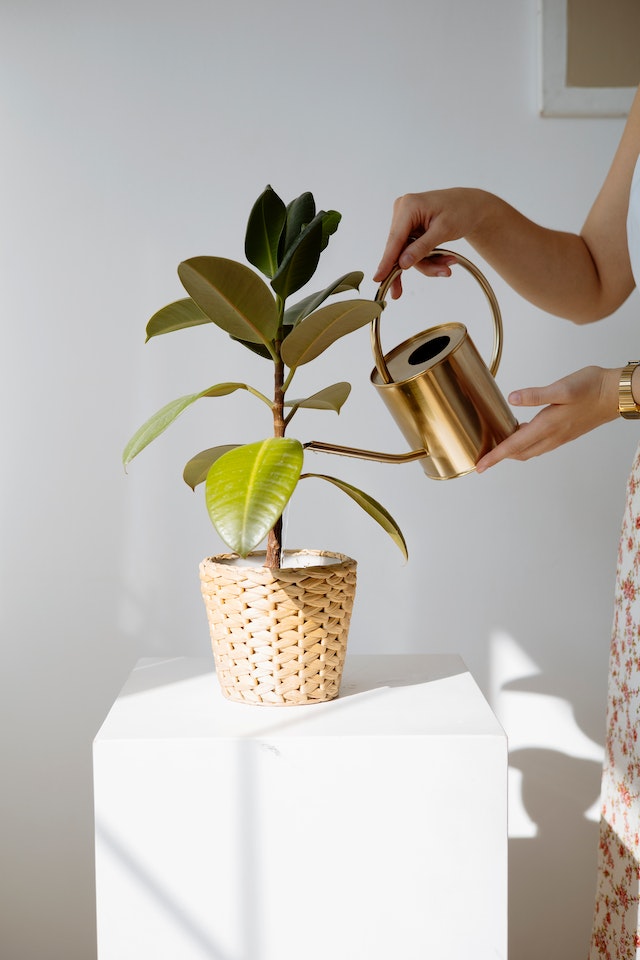
In a world where we are constantly pulled toward notifications, deadlines, and digital demands, the simple act of tending to a plant offers something increasingly rare — a moment of genuine presence. Checking soil moisture, misting leaves, trimming a dead stem, or rotating a pot toward the light — these are small, unhurried acts that naturally slow the mind down.
Plant care is, in many ways, a form of everyday mindfulness that requires no app, no subscription, and no prior experience. It asks only that you pay attention: to the color of the leaves, the weight of the soil, the direction of new growth. Over time, this habit of gentle observation cultivates a quieter, more patient relationship with the present moment — which is precisely what stress so often robs us of.
Even Looking at Plants Helps
You don't have to be an active gardener to benefit. Research has found that even passively viewing plants — whether real or depicted in artwork — can lower stress levels in clinical and everyday settings. Hospital patients in waiting rooms with live plants reported feeling calmer than those in rooms without any greenery. Office workers with a view of plants through a window showed lower levels of job-related stress and frustration.
Of course, live plants offer the richest benefits, but this is encouraging for anyone who travels frequently, lives in a very small space, or is just starting their plant journey. Even a single potted succulent on a desk or a trailing pothos on a shelf can begin to shift the feel of a room in a meaningful way.
Best Indoor Plants for Mental Health
Not all plants are equal when it comes to emotional well-being. Plants with lush, full foliage and gentle fragrances tend to have the strongest calming effect. Here are some of the best choices for beginners and experienced plant parents alike:
- Snake Plant (Sansevieria) — Nearly indestructible, air-purifying, and perfect for low-light corners
- Pothos — Fast-growing, lush, and thrives even in neglect — ideal for busy people
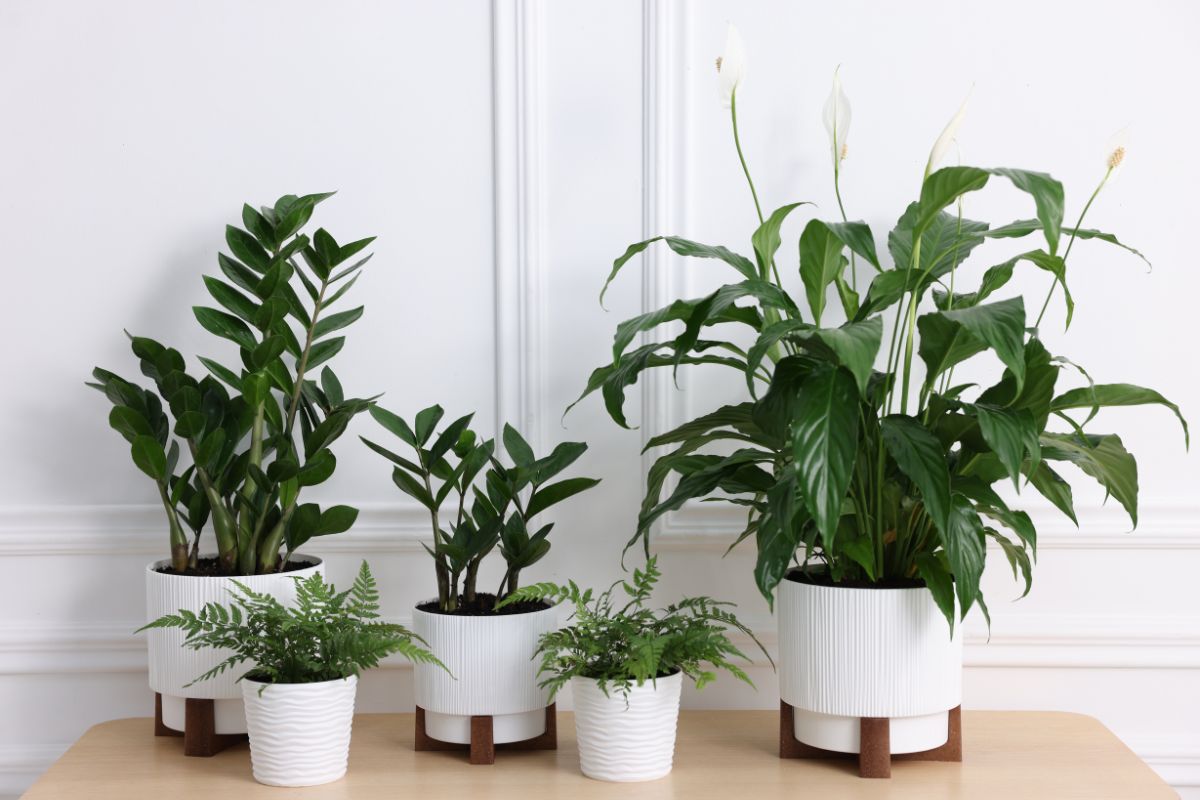
- Peace Lily — Elegant white blooms and one of the best natural air purifiers
- Lavender — Its scent alone is clinically shown to reduce anxiety and improve sleep quality
- ZZ Plant — Extremely low-maintenance with glossy, calming deep-green leaves
Final Thoughts
The evidence is clear and growing: indoor plants are far more than decoration. They are quiet, living companions that lower stress hormones, clean the air, restore mental focus, and nudge you toward mindfulness every single day. In a world that rarely slows down, bringing a little green indoors may be one of the simplest and most effective acts of self-care available to any of us.
Start with one plant. Water it. Watch it grow. You might be surprised at how much lighter you feel.
If you're ready to take your green journey further, exploring the world of rare indoor plants can open up a whole new dimension of beauty, wonder, and mindful living right inside your home.


Leave a comment
This site is protected by hCaptcha and the hCaptcha Privacy Policy and Terms of Service apply.