

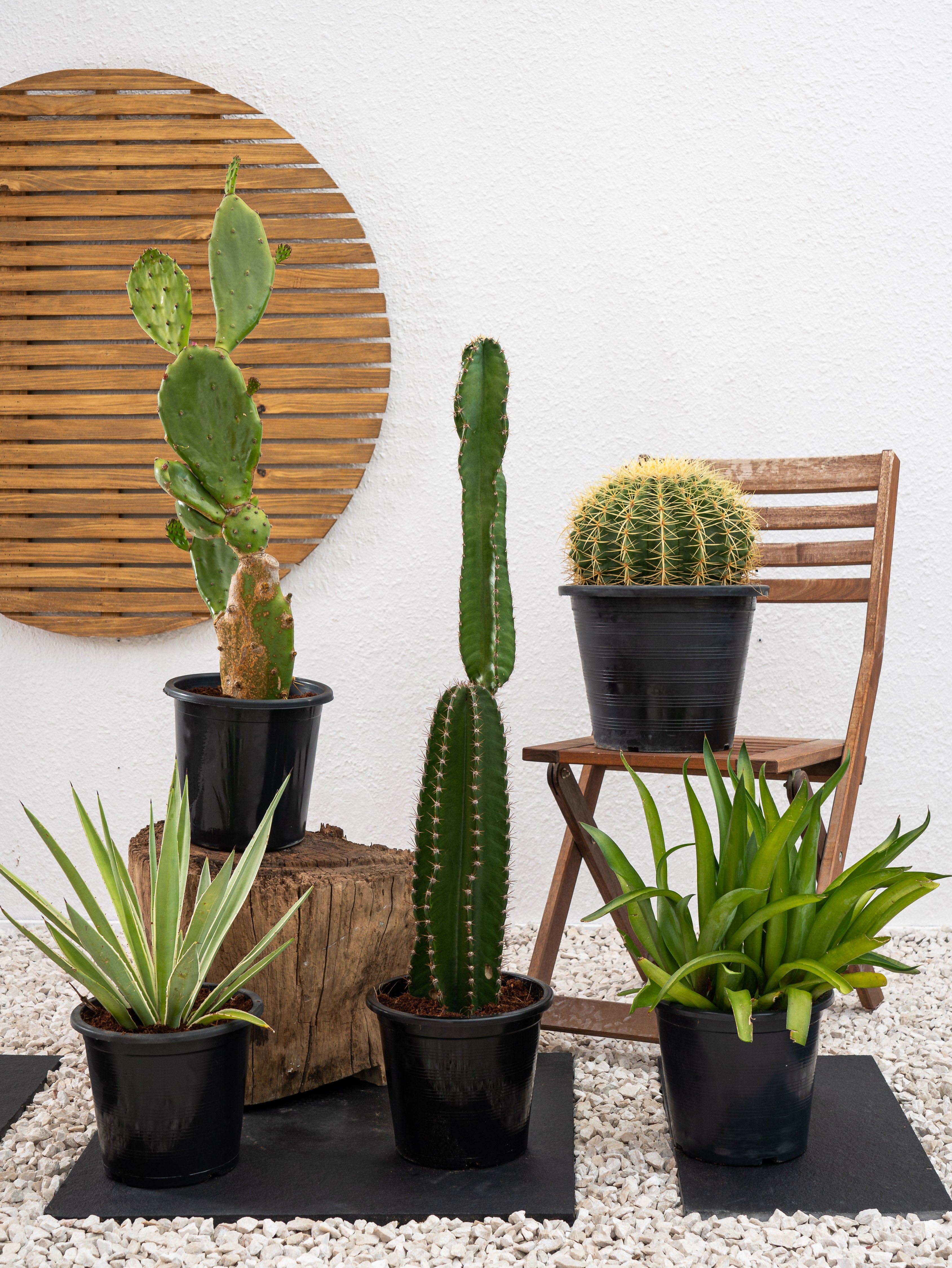
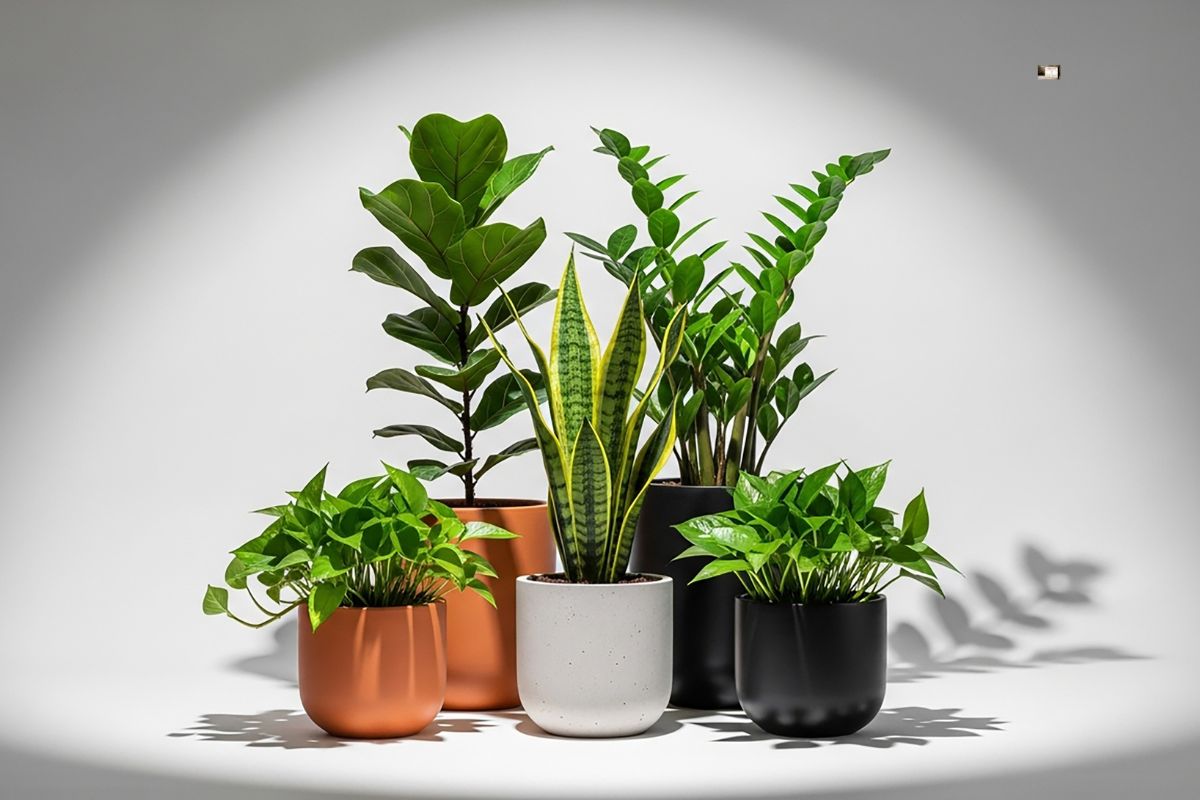
Snake plants (Sansevieria/Dracaena trifasciata) have a reputation for being nearly indestructible. But bathrooms are quirky microclimates: low or shifting light, high humidity spikes, and poor airflow. Can a snake plant actually thrive there? Yes—if you match the spot and routine to the room. Here’s a practical guide with clear pros and cons, setup tips, and easy care habits.

Quick verdict
- Yes, bathrooms can work for snake plants, especially bright bathrooms or those with a frosted window or skylight.
- Key requirements: some natural light (or a small grow light), good ventilation, and a go-easy watering schedule.
- Avoid: pitch-dark, windowless rooms with lights off most of the day, or constantly wet floors/pots with no drainage.
Pros of keeping a snake plant in the bathroom
1) Loves humidity spikes (within reason)
Showers raise humidity. Snake plants don’t require high humidity, but moderate spikes reduce leaf moisture loss and can soften brown tips caused by very dry homes. Occasional steam isn’t a problem as long as the potting mix dries in between waterings.
2) Compact, upright footprint
Bathrooms are tight. Snake plants grow vertically and fit beside a vanity, next to the tub (out of splash zones), or on a shelf. Dwarf varieties (e.g., Hahnii) are perfect for counters.
3) Tolerates imperfect schedules
If you forget to water for a bit, snake plants forgive. In a bathroom, the higher humidity can slightly buffer underwatering—useful for busy routines.
4) Air-quality and aesthetics
While you shouldn’t expect miracles, a healthy snake plant contributes to a calmer, spa-like look and gentle freshening. Their graphic leaves pair well with tile and mirrors.
Cons (and how to solve them)
1. Low or inconsistent light
Problem: Many bathrooms have tiny windows, frosted glass, or blinds that cut light. Continuous low light leads to slower growth, faded variegation, and floppy leaves.
Fixes:
- Place within 1–2 m (3–6 ft) of a bright, diffused window (east or south with sheers is great).
- Leave blinds open during the day.
- In windowless bathrooms, use a clip-on LED grow light (6–10 watts, 5000–6500K) for 8–12 hours/day.
2. Overwatering risk from “bathroom = water” mindset
Problem: Frequent watering + slow-drying rooms can cause root rot. Snake plants store water in their leaves; they need drying cycles.
Fixes:
- Water only when the top 5–7 cm (2–3 in) of soil is dry (use a finger test).
- Ensure drainage holes. Empty any decorative cachepot after 10 minutes.
- Use a fast-draining mix .
3. Poor airflow
Problem: Stale air + wet surfaces can invite fungus gnats, especially if the mix stays damp.
Fixes:
- Run the exhaust fan after showers (10–20 minutes).
- Crack a window for a bit if possible.
- Keep the plant off constantly wet floors and away from splashing.
4. Temperature swings
Problem: Hot showers followed by cool nights are fine, but cold drafts from leaky windows can stress foliage.
Fixes:
- Keep temps 15–29°C (59–84°F).
- Avoid pressing leaves against cold glass in winter.
Light: what “low” really means in bathrooms
Snake plants will survive low light but do better with bright, indirect light. A quick test:
- Read-a-book test: If you can comfortably read small text by the bathroom’s daylight without turning lights on, it’s usually enough for maintenance growth.
- No window? Add a grow light. Mount it 20–40 cm (8–16 in) above the plant and set a cheap timer.
Watering schedule (bathroom edition)
- Check soil every 10–14 days in warm months; every 3–4 weeks in cool months.
- Water thoroughly, then drain. Don’t top up in sips—deep water + full drain is safer than constant dampness.
- If your bathroom is very humid and the pot is plastic, you might water even less. Trust the finger test over a calendar.
Overwatering signs: Mushy, collapsing leaves, soil smells sour, leaves yellow from the base.
Underwatering signs: Wrinkled, folding leaves and extremely light pot—but confirm with a soil check first.
The best pot and soil for bathrooms
1. Pot:
- Terracotta helps moisture evaporate (good for very humid bathrooms or heavy waterers).
- Plastic/ceramic retains moisture longer (fine if you water infrequently).
- Always use drainage holes; pair with a removable sleeve/cachepot for looks.
Soil (fast-draining):
2. 2 parts cactus/succulent mix
- 1 part perlite or pumice
- Optional ¼ part fine bark for structure
This blend drains quickly, reducing rot risk in steamy rooms.
Placement ideas (safe + pretty)
- Vanity corner near a frosted window (avoid splashes).
- Shelf at head height with a clip light under the cabinet.
- Floor spot 1–2 m from the tub/shower, not in the splash path.
- Hanging planter by a bright window (ensure sturdy anchor and drip tray).
Rotate the plant quarter-turn every 2–3 weeks so it grows straight and evenly.
Common bathroom problems—quick fixes
| Problem | Likely Cause | Fast Fix |
|---|---|---|
| Leaves soft, mushy | Overwatering / soggy mix | Remove from sleeve, let soil dry; repot into fast-draining mix if roots are brown |
| Leaning, floppy leaves | Too little light | Move closer to window or add a grow light; rotate every 2–3 weeks |
| Brown leaf edges | Cold drafts or splash burn from cleaners | Move away from cold glass; avoid cleaner overspray |
| Tiny flies (gnats) | Wet soil + poor airflow | Let top 5–7 cm dry; run fan; use yellow sticky traps |
| Pale, slow growth | Chronic low light / infrequent feeding | Increase light; feed lightly in spring–summer (¼ strength monthly) |
Are snake plants safe for pets in bathrooms?
Snake plants are mildly toxic if chewed (can cause drooling, vomiting). Most pets avoid the bitter sap, but keep the plant out of reach if your cat/dog explores sinks and counters. A high shelf or hanging planter helps.
Simple styling tips
- Pair a matte white or black pot with tile for a clean, spa vibe.
- Use tall varieties (e.g., Laurentii, Zeylanica) for corners; dwarf rosettes (Hahnii) for countertops.
- Group with a pothos or ZZ plant near the window for an easy-care trio (all tolerant of bathroom life with some light).
Seasonal tweaks
- Winter: Less light and cooler temps—water less often. Keep leaves off cold glass.
- Summer: If the bathroom overheats, run the exhaust fan or crack the window after showers so the potting mix can dry between waterings.
FAQs
Can a snake plant live in a windowless bathroom?
It can survive with a grow light (8–12 hours/day). Without natural or artificial light, it will decline over time.
How often should I water in a bathroom?
Only when the top 5–7 cm is dry. In many bathrooms, that’s every 2–4 weeks, but always check the soil.
Will steam from showers hurt my snake plant?
No—occasional steam is fine. Problems arise when soil stays constantly wet and there’s no airflow.
Which pot is best for humid bathrooms?
Terracotta if you tend to overwater or your bathroom is very humid; plastic/ceramic if you’re a light waterer.
Do snake plants clean the air in bathrooms?
They contribute modestly to a fresher look and feel, but good ventilation (fan or open window) makes the biggest difference.
The takeaway
Snake plants can thrive in bathrooms when you provide some light, maintain good airflow, and keep watering infrequent but thorough in a fast-draining mix. Place yours near a bright, diffused window (or under a small grow light), use a pot with drainage, and water only after the top few centimeters are dry. With those simple tweaks, your bathroom can host a sleek, low-maintenance green accent that looks good year-round.

Leave a comment
This site is protected by hCaptcha and the hCaptcha Privacy Policy and Terms of Service apply.