


How Big Can Aloe Vera Actually Get Indoors?
Before covering the techniques, it helps to understand what the growth target actually is. Indoor Aloe Vera typically grows between 30–60cm tall. With optimal care — the right light, right soil, correct watering, and periodic repotting — it can grow up to 90cm tall and spread wide through offsets. This is the realistic ceiling for indoor Aloe Vera grown with deliberate, consistent care rather than casual neglect.
The gap between a typical UAE indoor Aloe Vera and a genuinely impressive large specimen is almost entirely explained by the seven factors below. Most small, struggling indoor Aloe Vera plants are not limited by genetics — they are limited by at least three of these factors being consistently suboptimal. Address all seven and the growth transformation is genuinely dramatic.
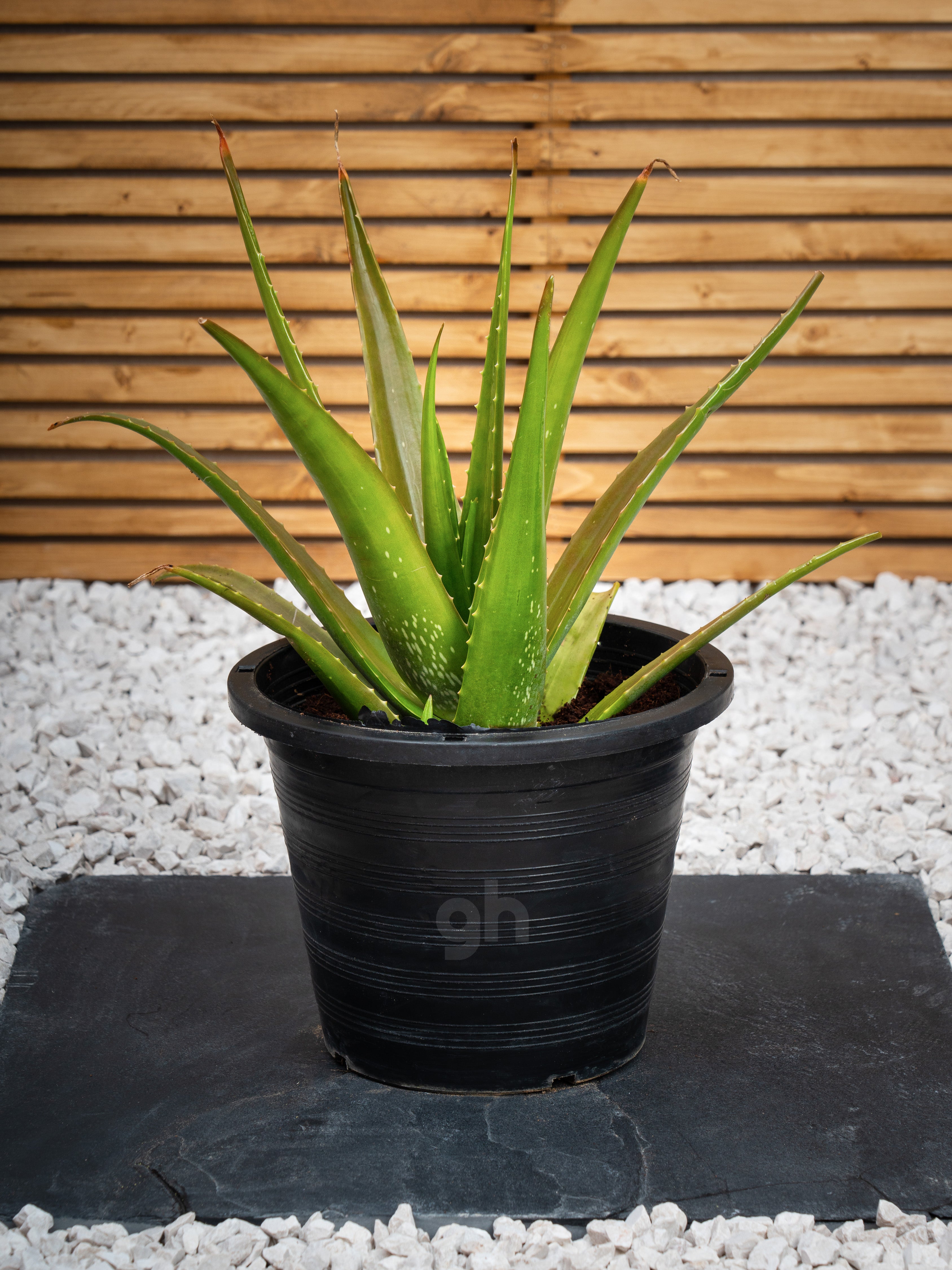
Secret 1 — Light Is the Single Biggest Growth Driver
This is the most important and most underestimated factor in growing a large Aloe Vera indoors. The common reason for thin, long, or leggy Aloe Vera leaves is keeping them indoors in spaces with not enough light. Aloe Vera is not a low-light plant in disguise — it is a desert succulent that evolved in high-intensity sunlight environments. Without adequate light, the leaves grow thin, pale, and floppy rather than thick, plump, and upright.
To get a thick and fleshy Aloe Vera, you must provide direct or near-direct sunlight for at least 6–8 hours daily — from early morning sun through to midday sun.
The UAE-specific advantage and caveat: UAE's abundant year-round sunlight is a genuine growth advantage for Aloe Vera that UAE owners often underutilise by keeping plants too far back from windows. A south or west-facing window in a UAE apartment provides exactly the intense light this plant evolved for — with one important caveat. While Aloe Vera loves intense light, direct afternoon UAE summer sun through glass can concentrate heat enough to scorch the leaves, causing brown patches and red discolouration. The ideal UAE position is a south-facing window during winter and an east-facing window during summer months, or a south-facing position with the plant positioned 30–60cm back from the glass rather than pressed against it.
Rotation technique: Rotate the container two to three times per week so all leaves receive equal light for photosynthesis. Without rotation, leaves on the window-facing side grow thick and healthy while the room-facing side stays thin and pale — creating an uneven, lopsided plant that never reaches its full visual potential.
Secret 2 — Remove Pups Consistently and Early
This is the single most impactful and least-used technique for growing a large Aloe Vera — and it is completely free. Aloe Vera produces pups — baby plants that emerge from the root system and grow alongside the mother plant. These pups draw water, nutrients, and energy from the mother plant continuously. Left in place, they limit the size the mother plant can achieve.
Removing pups allows the mother plant to focus its energy on growing bigger. You can replant the pups to grow more Aloe Vera or give them away to friends and family. Removing pups further encourages the main plant to invest its energy in leaf growth.
Remove pups when they have developed 3–4 of their own leaves — at this point they are mature enough to survive independently but have not yet become significant energy draws on the mother plant. Use clean, sterilised scissors to cut at the base, as close to the soil as possible. Allow both the pup and the main plant's wound to air dry for a day before any further disturbance.
For UAE plant owners who want both maximum mother plant size AND a growing collection, potting the pups separately gives you the best of both outcomes.
Secret 3 — Choose the Right Pot — Wide, Not Deep
Aloe Vera has shallow roots that spread horizontally rather than growing deeply downward. Choose a pot that is as wide as it is deep — a wide, shallow pot suits Aloe Vera's natural root architecture far better than a tall, deep pot.
A terracotta pot is ideal for Aloe Vera in UAE conditions. Terracotta is porous, allowing the soil to dry out between waterings — actively wicking excess moisture away from the root zone. In UAE AC-cooled apartments where soil dries slowly, terracotta's natural evaporation properties reduce overwatering risk significantly compared to ceramic or plastic containers.
Sizing correctly: Choose a pot providing ample space for root growth but avoid over-potting, which leads to overwatering and stunted growth. A pot 2–4cm wider than the current root ball is the right size increase at each repotting. An oversized pot holds far more soil than the roots can use — this excess soil stays wet and invites root rot, which is the most common growth-stopper for UAE Aloe Vera plants.
Secret 4 — Soil That Drains Like Desert Sand
Standard potting soil retains far too much moisture for Aloe Vera. Aloe Vera prefers a light, well-aerated soil that allows good drainage. It thrives in a cactus and succulent soil blend, which allows excess water to flow through and keeps the roots well-aerated. If you want to make your own, mix two parts coarse sand or perlite with one part standard potting mix.
For UAE conditions specifically, erring toward the drier end of the soil drainage spectrum — even more perlite than a standard succulent mix — compensates for the naturally slower drying that AC-cooled apartments create. A good visual test: water the pot and check whether water drains freely from the base within 30 seconds. If it does, the soil mix is right. If it pools on the surface or drains slowly, the mix is too moisture-retentive for maximum Aloe Vera growth.
Top the compost with a layer of decorative pebbles from GrowHub's gravel and pebbles collection — this keeps the base of the plant dry, prevents crown rot, and gives your Aloe Vera display a professionally finished appearance.
Secret 5 — Water Correctly — Deep, Infrequent, and Patient
Overwatering is the most common growth-stopper for Aloe Vera in UAE homes. The plant stores water in its thick, fleshy leaves — it does not need frequent watering and actively grows better with longer intervals between waterings than most indoor plants.
Water Aloe Vera only when the soil is completely dry — check by inserting your finger 2–3cm into the soil. Damp? Hold off. Dry? It is time. Water deeply until it flows freely from the drainage holes, then do not water again until the test confirms complete dryness.
In UAE summer conditions, this typically means watering every 2–4 weeks. During UAE winter (November to February), the plant slows its growth and needs even less — every 3–5 weeks or even longer is appropriate.
The counterintuitive rule for growing large Aloe Vera: if you let the soil go very dry for too long, the plant will begin using the water reserves stored in its leaves — causing them to thin and wrinkle. The goal is complete dryness between waterings, not extended drought. Water deeply, then be patient, then water deeply again.
Secret 6 — Feed Lightly But Consistently During Growing Season
Aloe Vera is a light feeder — but giving it no nutrition at all limits the size it can achieve. Fertilise lightly during the spring and summer growing season. A balanced liquid fertiliser at quarter strength, applied once every 6–8 weeks from March through to September, provides the nutritional support for ambitious growth without the salt buildup that over-fertilising causes.
Never fertilise from October through February. The plant's growth naturally slows during UAE winter's cooler temperatures and shorter days — it cannot efficiently process nutrients during this period and accumulated fertiliser salts will damage the roots.
Secret 7 — Repot Every 2–3 Years Into Fresh Soil
Repot every few years to refresh the soil and give the roots more room. Old, compacted potting mix loses its drainage properties over time — soil particles compact together, eliminating the air pockets that healthy roots require. In UAE homes where hard tap water mineral salts accumulate in soil with every watering, old soil also becomes progressively more mineral-saturated and potentially toxic to roots.
Repot in March or April — the beginning of the UAE growing season — for the fastest recovery and best growth response in the year following the repot. Repotting in spring gives the plant the entire growing season to establish in fresh soil before the slower winter period.
After repotting, do not water for at least a week. This allows the roots to put out new growth seeking moisture rather than sitting passively in waterlogged conditions — decreasing the chance of inducing rot and giving the plant time to establish.
The UAE-Specific Growth Advantage Nobody Talks About
UAE's year-round warmth is a genuinely significant advantage for Aloe Vera growth that most owners underutilise. Aloe Vera thrives between 18–30°C — precisely the temperature range that UAE air conditioning maintains year-round. Unlike temperate climates where Aloe Vera slows dramatically during cold winters, UAE AC-maintained warmth allows the plant to continue active growth almost year-round.
This means a UAE Aloe Vera given good light, correct watering, and proper soil has more total growing weeks per year than an equivalent plant in any cold-winter climate — accumulating more total size annually even at the same monthly growth rate. The key is directing that year-round growing potential toward maximum size rather than the plant spending its energy managing care inconsistencies.
How Long Does It Take to Grow a Giant Aloe Vera?
Aloe Vera is a slow grower by nature and will not bulk up overnight. Realistically, growing from a small nursery specimen to a genuinely impressive large plant takes 3–5 years of consistent, deliberate care.
However, progress is visible much sooner — plants given the correct light, soil, and watering show noticeably thicker leaves, stronger upright growth, and wider spread within the first growing season after care improvements. Each new leaf that emerges will be larger, thicker, and more plump than those produced under suboptimal conditions — visible, tangible evidence that the approach is working.
Giant Aloe Vera Growth Checklist
| Factor | UAE Recommendation |
|---|---|
| Light | 6–8 hours bright direct/near-direct light — east window in summer, south in winter |
| Rotation | Quarter turn 2–3 times per week for even growth |
| Pups | Remove consistently when 3–4 leaves develop |
| Pot | Wide, shallow terracotta with drainage holes |
| Soil | Cactus/succulent mix — maximum drainage |
| Top dressing | Decorative pebbles — prevents crown rot, professional finish |
| Watering | Every 2–4 weeks summer, 3–5 weeks winter — finger test always |
| Fertiliser | Quarter strength, every 6–8 weeks, March to September only |
| Repotting | Every 2–3 years in March into fresh succulent mix |
🌿 Browse GrowHub's full indoor plants collection — including Aloe Vera and other UAE-suited indoor plants delivered across Dubai and Abu Dhabi.
🪨 Shop decorative pebbles for top dressing — keep your Aloe Vera's crown dry, prevent rot, and give your plant display a beautifully polished finish.
About GrowHub: GrowHub is the UAE's trusted online plant store delivering carefully selected houseplants, outdoor plants, accessories, and plant care products to homes and offices across Dubai, Abu Dhabi, and beyond. Free shipping on orders over AED 199.


