


Why Delivery Is So Stressful for Rare Plants
Even with careful packaging and fast delivery, a plant that has just arrived at your Dubai home has been through significant stress. It has spent time in darkness, confined in a box, unable to photosynthesise, with limited air circulation and potentially experiencing temperature shifts during transit across the UAE's extreme outdoor climate.
Depending on the delivery speed and packaging quality, your rare indoor plant could have been sitting in a dark, confined box for anywhere between several hours to two or more days. For a rare, expensive plant — one you have waited for and paid a premium to own — the days immediately following delivery are as important as all the care that follows.
The good news is that acclimatisation in Dubai is entirely manageable with the right approach. Here is the complete step-by-step guide.
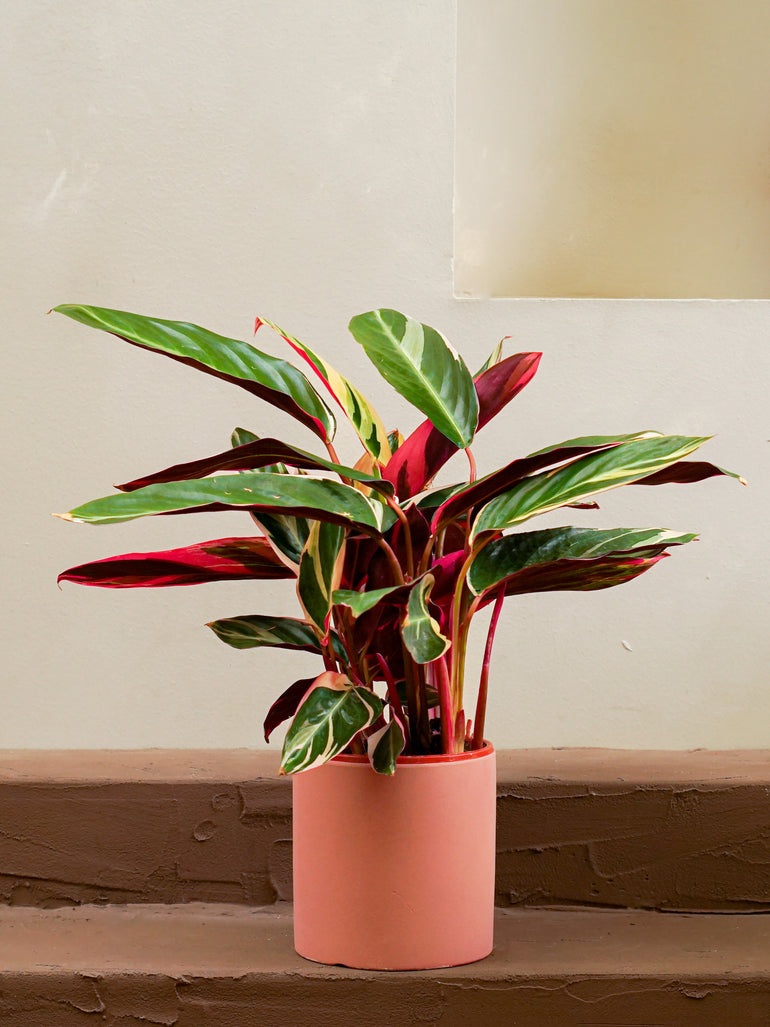
Step 1 — Unbox Immediately and Carefully
The moment your delivery arrives, open it. Do not leave a boxed plant sitting on a shelf or in a storeroom — every hour in darkness is unnecessary additional stress.
Before you slice open the box, gather your tools and clear a clean, well-lit surface. Carefully cut the tape — avoid using a utility knife near leaves or pots. Work slowly, unwrapping any protective sleeves or paper around the stems and leaves with patience. Rare plants often have delicate, unusually shaped leaves — an Alocasia Tiny Dancer's cupped leaves or a Monstera Thai Constellation's variegated tissue are more fragile than a standard houseplant and deserve careful handling.
Pay close attention to the leaves and stems that may be standing up or sticking out. Assess any damage — do you have broken stems or bent leaves? It is common for a few leaves to get a bit roughed up during shipping, but this is manageable with good post-delivery care.
Step 2 — Inspect Carefully Before Doing Anything Else
Before watering, repositioning, or repotting, take 5–10 minutes to inspect the plant thoroughly. This inspection is particularly important for rare plants where any pest arriving with the delivery could quickly spread to your existing collection.
Check undersides of all leaves for fine webbing (spider mites), white cottony clusters (mealybugs), or tiny moving dots. In Dubai's dry AC environment, spider mites in particular can establish rapidly from a single infested delivery plant.
Immediately inspect plants for damage, broken stems, or pests. Remove packing materials carefully and lightly water potted plants if the soil is dry. Keep the plant in a protected, shaded area until you are ready to acclimatise or repot.
If you find any pest activity, isolate the new plant completely from all existing plants immediately — before it touches anything else in your collection.
Step 3 — Check Soil Moisture Before Watering
Check the soil — do your best to check soil moisture. We do our best to follow a strict watering routine so plants arrive at the perfect level of moisture, but some plants retain water during their travels and some dry out. If the soil is still damp, give your plant some time to dry out before its next soak — if it is dry, quench its thirst.
For rare aroids like Alocasia, Monstera varieties, and Philodendrons, always use distilled water or collected AC condensate for this initial watering rather than UAE tap water. These plants are typically sensitive to fluoride and mineral salts — the last thing a delivery-stressed plant needs is immediate chemical exposure through its damaged root system.
Step 4 — Place in Bright Indirect Light — Not Its Final Position Yet
This is a step many Dubai plant owners skip — moving the new plant straight to its intended permanent position. Resist this instinct.
For indoor plants, start with bright, indirect light before moving to their permanent location. The plant has been in complete darkness during transit and its light-processing systems have adjusted accordingly. Moving it directly into a brighter position than the darkness it came from is manageable — but moving it into intense light immediately compounds the stress it is already experiencing.
Place the new plant in a position with moderate, consistent, bright indirect light for the first week. After 7–10 days, if it is showing signs of stability, gradually move it to its intended permanent position over a few days.
In Dubai specifically, avoid placing near AC vents during the acclimatisation period — the cold, dry airflow adds environmental stress to an already-stressed plant at the worst possible moment.
Step 5 — Do Not Repot Immediately
This is one of the most common and most damaging mistakes Dubai plant collectors make with newly delivered rare plants. The excitement of receiving a rare, expensive plant creates a strong urge to immediately put it in a beautiful new pot with fresh soil. Resist this completely for at least 2–4 weeks.
Repotting too soon is a significant mistake. Let your plant settle in before repotting, unless the pot is damaged or way too small.
A plant that is already managing delivery stress, darkness recovery, and environmental acclimatisation simultaneously cannot also manage the additional root disturbance and transplant shock of repotting. Stacking these stresses frequently causes rapid deterioration in rare plants that might have recovered perfectly well with a gentler approach.
The only exceptions are if the delivery pot is visibly broken, if the plant is severely root-bound with roots circling outside the pot, or if the soil is clearly contaminated or pest-infested. In all other cases, wait until the plant shows clear signs of new, healthy growth before repotting.
Step 6 — Add Humidity Support Immediately
Rare tropical plants — Alocasias, variegated Monsteras, Philodendrons, Hoyas — almost universally come from high-humidity natural environments. Dubai's AC-cooled indoor air, typically at 20–30% humidity, is a significant shock for these plants on top of their delivery stress.
To help them settle in, gradually introduce them to the new humidity levels — maybe a pebble tray if it gets dry.
Set up a pebble humidity tray immediately using pebbles from GrowHub's gravel and pebbles collection — fill a shallow tray with pebbles, add distilled water to just below the pebble surface, and place the new plant's pot on top. This provides continuous passive humidity support during the critical acclimatisation window without any additional management effort.
For the most humidity-demanding rare plants — Alocasia varieties and high-end Philodendrons in particular — a small room humidifier targeting 50–60% humidity dramatically reduces acclimatisation stress and supports faster recovery.
Step 7 — Do Not Fertilise for at Least 4–6 Weeks
A delivery-stressed plant cannot efficiently process additional nutrients — and fertilising during the acclimatisation period does more harm than good. Avoid fertilising for the first week is the minimum recommendation, but for rare, more sensitive plants in Dubai's specific environment, waiting until you see clear evidence of new healthy growth is the better guideline.
What Normal Post-Delivery Stress Looks Like — And What Is Not Normal
Normal and expected:
- Minor leaf drooping in the first 48–72 hours
- One or two yellowed or damaged leaves from transit
- No visible new growth for 2–4 weeks
- Transplant shock — a normal process where the plant adjusts to its new environment — may cause wilting, yellowing leaves, or leaf drop. This is temporary. Continue to water when needed, avoid fertilising right away, and be patient. Most plants perk up within 7–10 days.
Requires attention:
- Soft, mushy stem at the base — possible root rot, requires immediate inspection
- Visible pest activity spreading to new areas after arrival
- Complete collapse of all leaves within 24 hours — environmental conditions need urgent review
- Persistent decline after 3–4 weeks with no signs of stabilisation
The Dubai-Specific Acclimatisation Checklist
| Action | Timing |
|---|---|
| Unbox immediately and inspect | Day 1 — the moment it arrives |
| Check soil moisture — water only if dry | Day 1 |
| Place in moderate bright indirect light | Day 1–7 |
| Set up pebble humidity tray | Day 1 |
| Keep away from AC vents | Entire acclimatisation period |
| Isolate from other plants if pests found | Immediately |
| Do not repot | Wait minimum 2–4 weeks |
| Do not fertilise | Wait until new growth appears |
| Move to permanent position | After 7–10 days of stability |
| Begin normal care routine | After 3–4 weeks |
Final Thoughts
A rare indoor plant that has just arrived at your Dubai apartment is the most vulnerable it will ever be in your ownership. The 2–4 weeks after delivery determine whether that rare Alocasia or variegated Monstera thrives in your collection or declines despite the premium you paid for it. Patience, minimal intervention, and the right environmental support — particularly humidity management in Dubai's dry AC air — are the three factors that consistently produce the best outcomes.
Unbox carefully, inspect thoroughly, provide clean water and gentle light, resist the urge to repot, and give the plant time. Done correctly, acclimatisation transitions a stressed delivery plant into a settled, actively growing addition to your UAE indoor plant collection within a month.
🌿 Browse GrowHub's full indoor plants collection — including rare and collector's plants delivered carefully across Dubai and Abu Dhabi.
🪨 Shop pebbles for humidity trays — essential support for rare tropical plants acclimatising to Dubai's dry AC environment after delivery.
About GrowHub: GrowHub is the UAE's trusted online plant store delivering carefully selected houseplants, outdoor plants, accessories, and plant care products to homes and offices across Dubai, Abu Dhabi, and beyond. Free shipping on orders over AED 199.


