


Spider plants are among the most popular indoor plants because they are hardy, adaptable, and visually appealing. Their arching green-and-white leaves and baby “spiderettes” make them a favorite in homes and offices. While they are known to be low-maintenance, many plant owners notice that their spider plants grow slowly, become dull, or stop producing babies altogether.
The truth is, spider plants are easy to keep alive—but getting fast, lush, and healthy growth requires a more advanced care approach. Small improvements in light, watering, soil, and maintenance can dramatically boost growth speed and overall plant health.
In this guide, you’ll learn advanced spider plant growth tips for faster results, designed to help your plant become fuller, healthier, and more productive indoors.
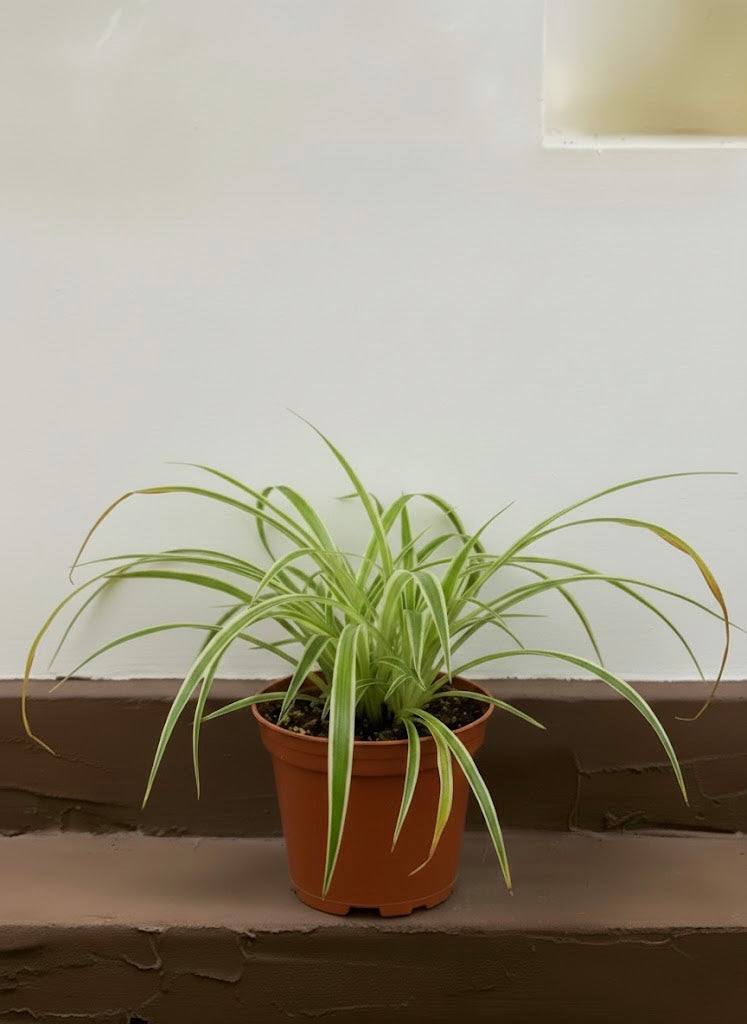
1. Optimize Light for Maximum Growth Speed
Light is the most important factor in accelerating spider plant growth. While they can survive in low light, they will not thrive or grow quickly in such conditions.
For faster results, spider plants need:
- Bright, indirect sunlight
- Consistent daily light exposure
- Protection from harsh direct sun
Best placement strategy:
- Near an east-facing window for soft morning light
- A few feet away from a south-facing window with filtered light
- Near a bright room corner with reflected light
If your spider plant looks slow or thin, increasing light exposure is often the fastest fix.
2. Use a Balanced Watering Strategy
Watering plays a critical role in spider plant growth speed. Both overwatering and underwatering can slow development.
Advanced watering rule:
Maintain slightly moist soil, but never soggy conditions.
How to achieve this:
- Check soil 2–3 cm deep before watering
- Water thoroughly, then allow slight drying
- Avoid frequent small watering sessions
Spider plants respond best to deep, spaced-out watering cycles, which encourage stronger root systems.
3. Upgrade Your Soil Mix for Faster Root Development
Standard potting soil often slows growth over time because it becomes compact and limits oxygen flow.
For faster spider plant growth, use a more advanced soil mix:
Ideal mix:
- 50% high-quality potting soil
- 25% perlite (for drainage and airflow)
- 25% coco coir (for moisture balance)
Why this works:
- Prevents root suffocation
- Improves nutrient absorption
- Encourages faster root expansion
Healthy roots = faster top growth and more babies.
4. Feed with a Growth-Focused Fertilizing Schedule
Spider plants benefit from regular feeding, but timing and balance are key.
Advanced fertilizing tips:
- Use balanced liquid fertilizer (NPK 10-10-10 or similar)
- Feed every 2–3 weeks during active growth season
- Reduce feeding in winter or low-light periods
Important note:
Over-fertilizing can burn roots and slow growth, so consistency is better than intensity.
5. Encourage Baby Production (Spiderettes Growth Hack)
One of the most exciting features of spider plants is their ability to produce baby plants. However, many indoor plants stop producing spiderettes due to environmental stress.
To increase baby production:
- Provide brighter indirect light
- Avoid overpotting (slightly root-bound conditions help)
- Maintain consistent watering
- Feed lightly during growing season
Spider plants naturally produce more babies when they feel stable but slightly restricted in root space.
6. Use Strategic Pot Size Control
Pot size directly affects growth speed.
Best practice:
- Use a pot that is only slightly larger than the root ball
- Avoid oversized pots that hold excess moisture
Why it matters:
- Large pots slow root activity
- Compact pots encourage active growth
- Slight root restriction increases spiderette production
This is a key “pro-level” growth trick many beginners overlook.
7. Maintain Optimal Humidity for Faster Growth
Spider plants are adaptable but grow faster in moderate humidity.
Ideal humidity range:
40%–60%
Advanced humidity tips:
- Group plants together
- Place a water tray nearby
- Keep away from direct AC airflow
Higher humidity improves leaf expansion and reduces brown tips.
8. Rotate the Plant for Balanced Growth
Spider plants naturally grow toward light sources. If not rotated, they become uneven and weaker on one side.
Advanced trick:
Rotate your plant every 7–10 days.
Benefits:
- Even leaf distribution
- Stronger structural growth
- More balanced spiderette production
Balanced plants grow faster overall because energy is distributed evenly.
9. Remove Old or Damaged Leaves Regularly
Pruning is often ignored but plays a big role in growth speed.
What to remove:
- Yellow leaves
- Brown-tipped leaves
- Weak or damaged outer leaves
Why it works:
The plant redirects energy toward new, healthy growth instead of repairing old damage.
10. Avoid Overcrowding in One Pot
Spider plants grow quickly and can become overcrowded.
Signs of overcrowding:
- Slow growth
- Smaller leaves
- Reduced baby production
Solution:
- Divide the plant every 1–2 years
- Replant sections separately
This gives roots more space and encourages faster development.
11. Use Bright Bathrooms or Kitchens for Growth Boost
Location can influence growth speed more than people realize.
Best indoor environments:
- Bright bathrooms (natural humidity)
- Kitchens with filtered sunlight
- Living rooms with large windows
These environments naturally support faster spider plant growth due to stable humidity and light.
12. Watch for Early Stress Signals
Advanced plant care includes reading subtle signals before problems become visible.
Warning signs:
- Slow leaf growth
- Pale or dull color
- Reduced baby production
- Curling leaf tips
Addressing these early ensures uninterrupted growth cycles.
13. Avoid Common Growth Slowing Mistakes
Even experienced plant owners make these mistakes:
- Overwatering during slow growth periods
- Using heavy, compact soil
- Keeping plants in low light too long
- Not repotting when root-bound
- Ignoring fertilizer balance
Avoiding these issues alone can significantly improve growth speed.
Final Thoughts
Spider plants are naturally fast-growing, but unlocking their full potential requires more than basic care. With the right combination of light, soil, watering, feeding, and environment control, you can dramatically improve their growth rate and overall health.
The key takeaway is simple:
Faster growth comes from stability, not excess care.
When you apply these advanced techniques consistently, your spider plant will grow fuller, produce more spiderettes, and become a thriving feature in your indoor space.


